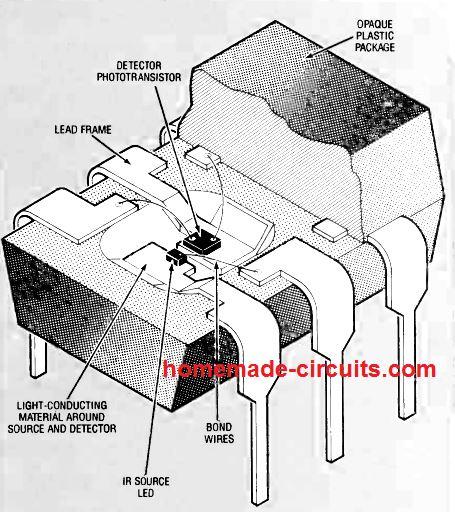
OPTOCOUPLERS OR OPTOISOLATORS are devices that enable efficient transmission of DC signal and other data across two circuit stages, and also simultaneously maintain an excellent level of electrical isolation between them. Optocouplers become specifically useful where an electrical signal is required to be sent across two circuit stages, but with an extreme degree of electrical […]
Electronics Theory
Triacs – Working and Application Circuits
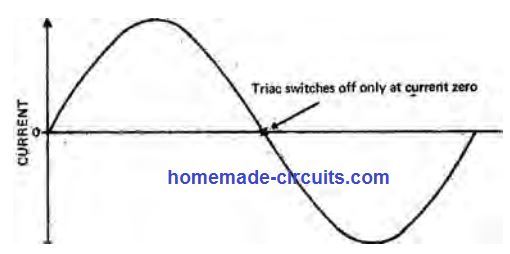
A triac can be compared to a latching relay. It will instantly switch ON and close as soon as it’s triggered, and will remain closed as long as the supply voltage remains above zero volts or the supply polarity is not changed. If the supply is an AC (alternating current), the triac will open during […]
Tunnel Diode – Working and Application Circuit
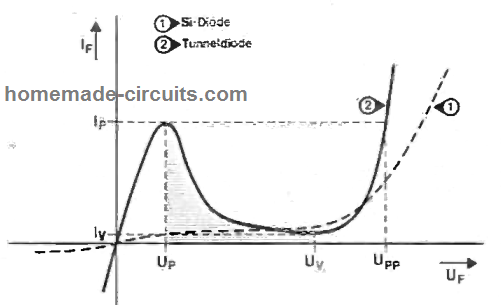
A tunnel diode is a type of semiconductor diode which features a negative resistance on account of a quantum mechanical effect known as tunneling. In this post I have explained the basic characteristics and working of tunnel diodes, and also a simple application circuit using this device. We will see how a tunnel diode could […]
How Varactor (Varicap) Diodes Work
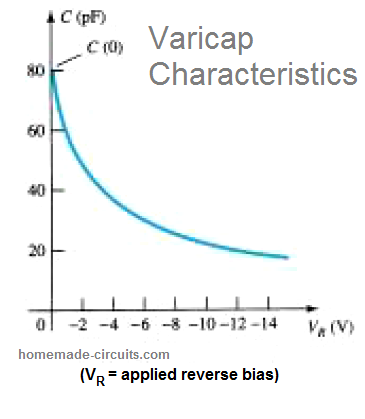
A varactor diode, also called varicap, VVC (voltage-variable capacitance, or tuning diode, is a type of semiconductor diode which features a variable voltage-dependent capacitance on its p-n junction when the device is reversed biased. Reverse bias basically means when the diode is subjected to an opposite voltage, meaning a positive voltage at the cathode, and […]
Diode Rectification: Half-Wave, Full-Wave, PIV
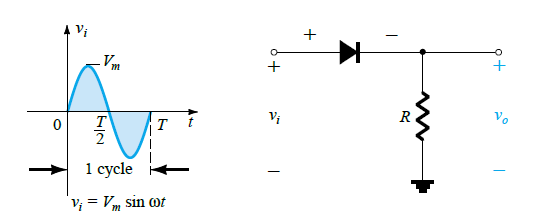
In electronics, rectification is a process in which a rectifier diode converts an alternating full cycle AC input signal into a half cycle DC output signal. A single diode produces half wave rectification, and a network of 4 diodes produces a full wave rectification In this post we will analyze both half wave and full […]
How Transformers Work
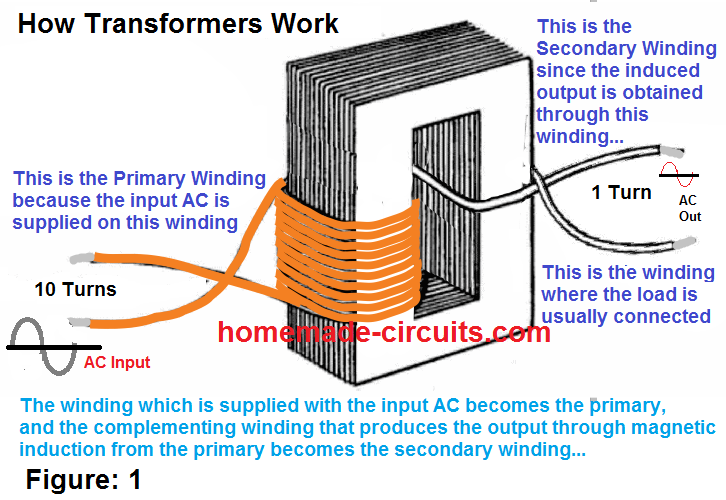
According to the definition given in Wikipedia an electrical transformer is a stationary equipment that exchanges electrical power across a couple of closely wound coils, through magnetic induction. A constantly altering current in one winding of the transformer generates a varying magnetic flux, which, consequently, induces a varying electromotive force over a second coil built […]