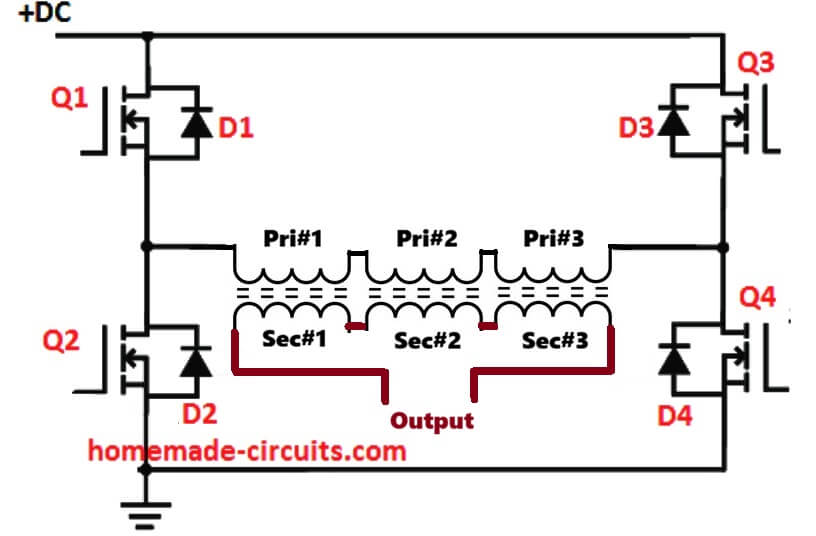
In an H-bridge inverter, we normally use a transformer to convert the input power into the required output voltage. But sometimes instead of using one big ferrite transformer, we may want to use two, three, four, or even more small ferrite transformers. In this type of arrangement, all the primary windings are connected in series […]
Transformers
What are the Different Types of Transformers? Explained
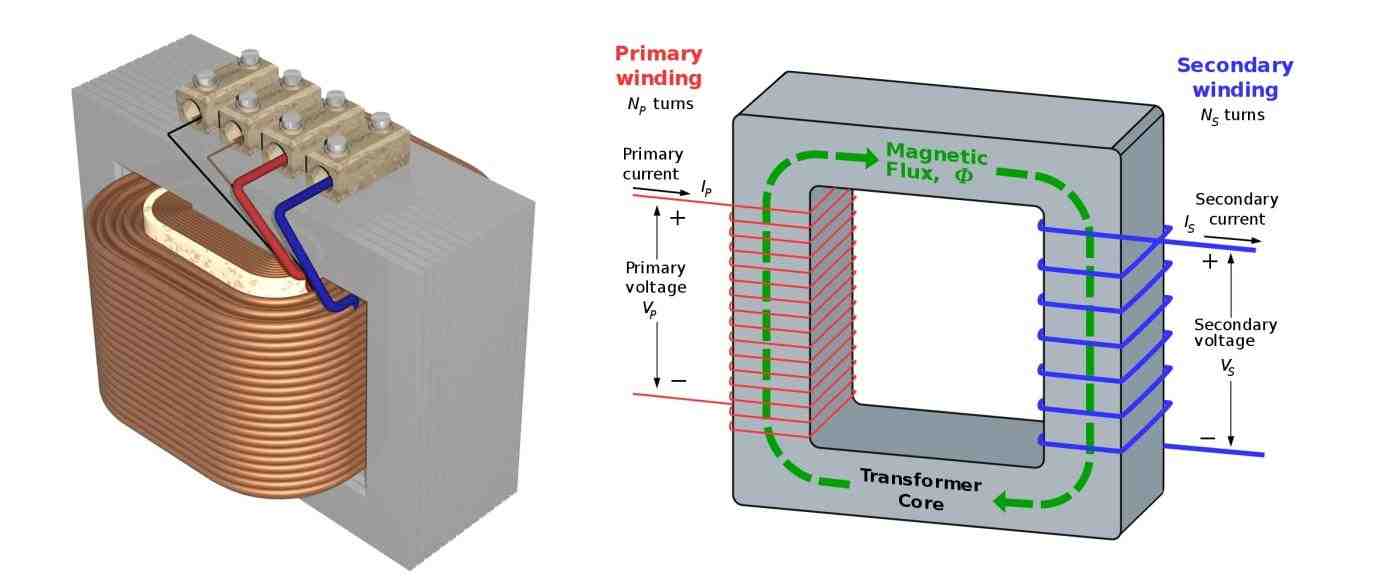
In this post I am going to explain different types of electrical transformers that are used in a wide variety of applications. Transformers can be classified in many different ways, for example: based on their input / output character, voltage, frequency, application, power handling capacity etc. In this post we will be exploring all the […]
How Transformers Work
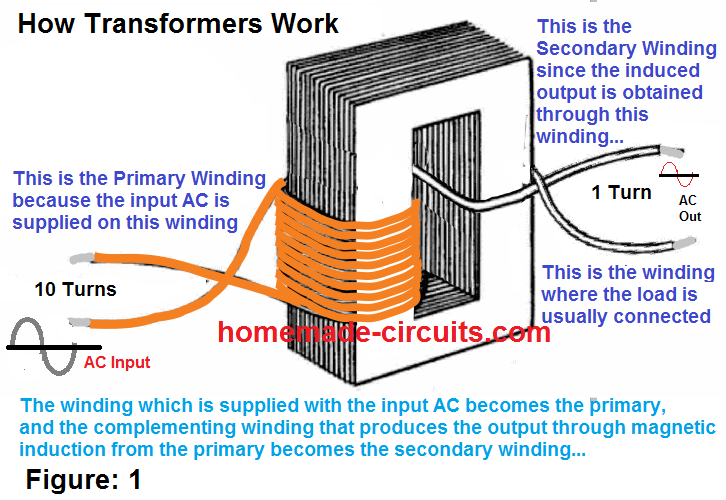
According to the definition given in Wikipedia an electrical transformer is a stationary equipment that exchanges electrical power across a couple of closely wound coils, through magnetic induction. A constantly altering current in one winding of the transformer generates a varying magnetic flux, which, consequently, induces a varying electromotive force over a second coil built […]
How to Calculate Ferrite Core Transformers
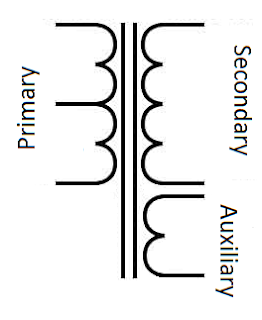
Calculating ferrite transformer is a process in which engineers evaluate the various winding specifications, and core dimension of the transformer, using ferrite as the core material. This helps them to create a perfectly optimized transformer for a given application. The post presents a detailed explanation regarding how to calculate and design customized ferrite core transformers. […]
How to Make Step Down Transformers

A step down transformer is a device which reduces a higher AC potential to a lower AC potential as per its winding ratio and specifications. In this article we are going to discuss how to design and construct a basic step down transformer which are typically applied in mains-operated power supplies. Introduction This will likely […]