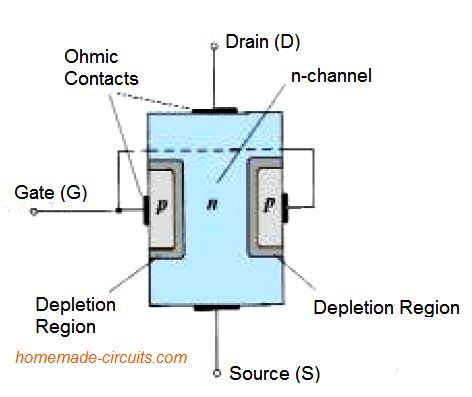
The field-effect transistor (FET) is an electronic device in which an electric field is used to regulate the flow of current. To implement this a potential difference is applied across the gate and source terminals of the device, which alters the conductivity between the drain and source terminals causing a controlled current to flow across […]
Electronics Theory
H-Bridge Bootstrapping
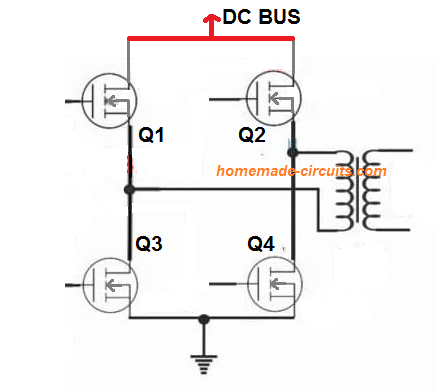
Bootstrapping is a crucial aspect that you will find in all H-bridge or full bridge networks with N-channel mosfets. It is a process in which the gate/source terminals of the high side mosfets are switched with a voltage that’s at least 10V higher than its drain voltage. Meaning, if the drain voltage is 100V, then […]
Capacitor Inductor Calculations
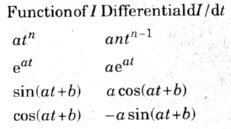
Inductors can be imagined as the opposite of capacitors. The main difference between a capacitor and an inductor is that a capacitor carries a protective dielectric between its plates, which inhibits the conduction of current across its terminals. Here it acts like an open circuit. On the other hand the inductance of an inductor is […]
How to Troubleshoot Transistor (BJT) Circuits Correctly
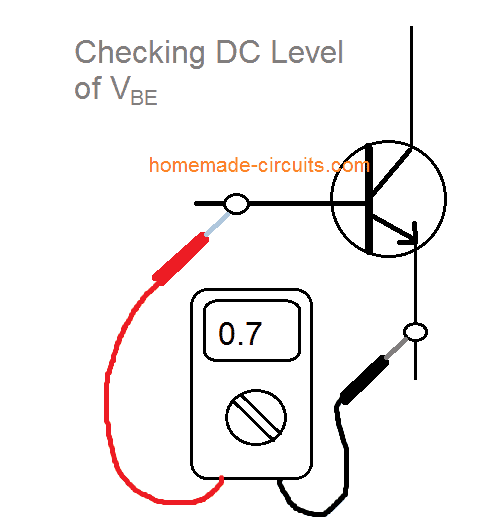
Troubleshooting BJT circuits is basically a process of identifying the electrical faults in the network using multimeters across the various nodes in the circuit. BJT troubleshooting techniques is a huge topic and therefore including 100 % solutions and strategies can be perhaps difficult within a single article. Basically, the user should know about a handful […]
Transistor Common Collector

A BJT common collector amplifier is a circuit in which the collector and the base of the BJT share a common input supply, hence the name common collector. In our previous articles we have learned the other two transistor configurations, namely the common-base and the common-emitter. In this article I have explained the third and […]
What is beta (β) in BJTs
In bipolar junction transistors the factor that determines the sensitivity level of the device to base current, and the amplification level at its collector is called beta or the hFE. This also determines the gain of the device. In other words, if the BJT uses relatively higher current to switch its collector load optimally then […]