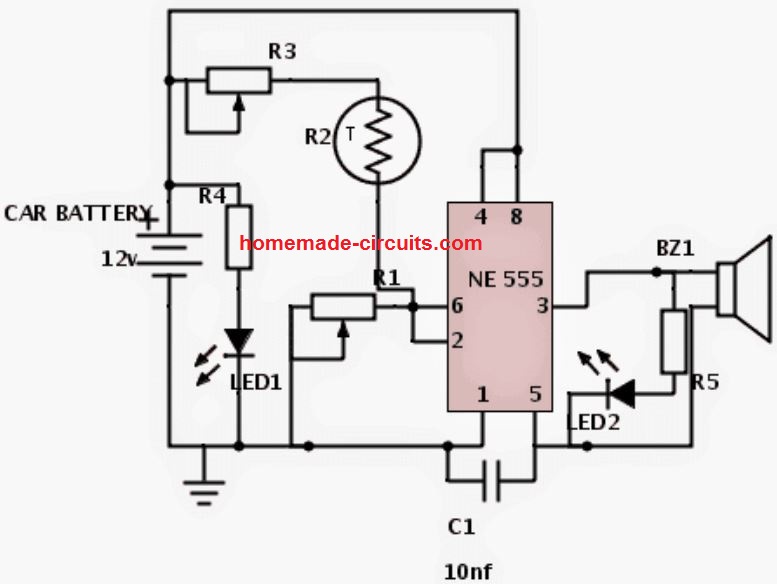
The proposed circuit is very useful which warns the car driver before hand once the radiator gets heated up above the preset level. How it Works The working of this circuit is very simple and works off on the car battery. The familiar IC555 is used here which is the heart of the circuit. The […]
Newly Updated Circuit Projects:
How to Make Adjustable Current Limiter Circuits
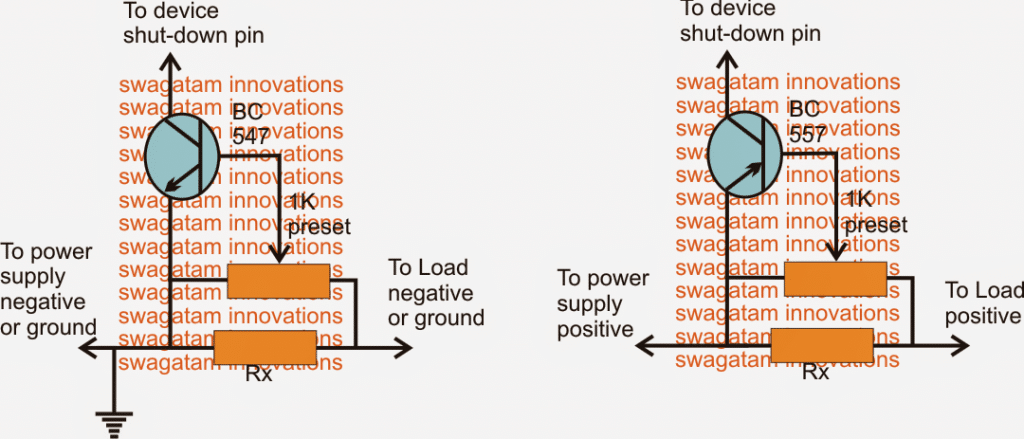
In many sensitive electronic circuits or loads, adjusting the current limit in its power supply could be one of the most crucial requirements for ensuring a fail proof safety for the various vulnerable devices. A simple method of sensing current this using resistors has been discussed in this article. Integrating a Current Sensor Stage The […]
Refrigerator Motor Soft Start Circuit
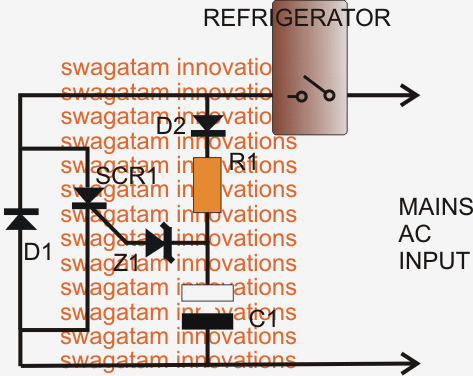
Refrigerators tend to draw appreciable amounts of current each time their compressor switch ON, and this could happen many times per day. A soft start circuit to the compressor motor could probably tackle this issue and help save electricity. The idea was requested by Mr. Naeem Khan. Technical Specifications I need your help regarding to […]
How to Make a PWM Controlled Fan Regulator Circuit
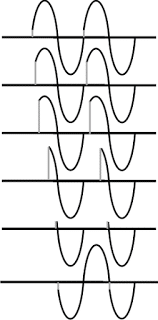
In this article we look into a simple 220V mains PWM controlled fan or light regulator circuit which does not require a microcontroller or costly triac drivers for the intended operations. Capacitive Phase Chopping All Ordinary types fan regulator and dimmers which rely on capacitive phase chopping technology have one drawback in common, these generate […]
Simple Walkie Talkie Circuit
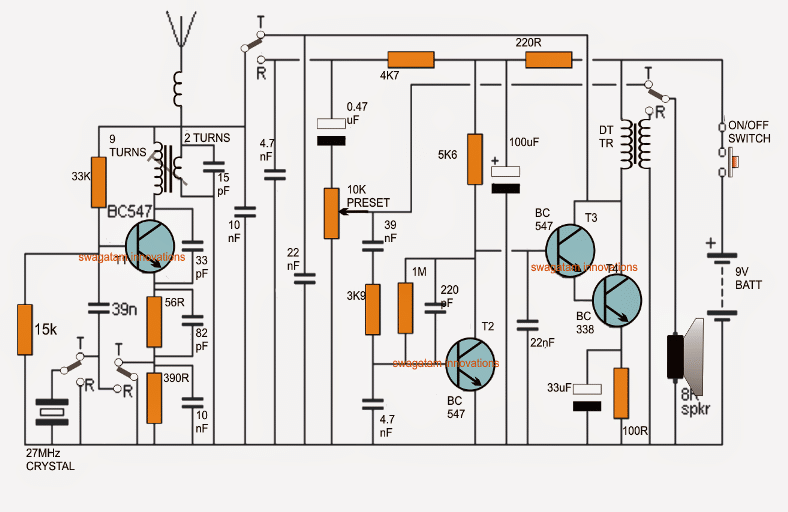
In this article I have explained a simple walkie talkie circuit that can be easily built by any hobbyist and used for communicating between rooms or floors or simply for having some fun across neighbors and friends. The range of this system is around 30 meters. A walkie-talkie, also commonly referred to as handheld transceiver is […]
Water/Coffee Dispenser Motor Circuit
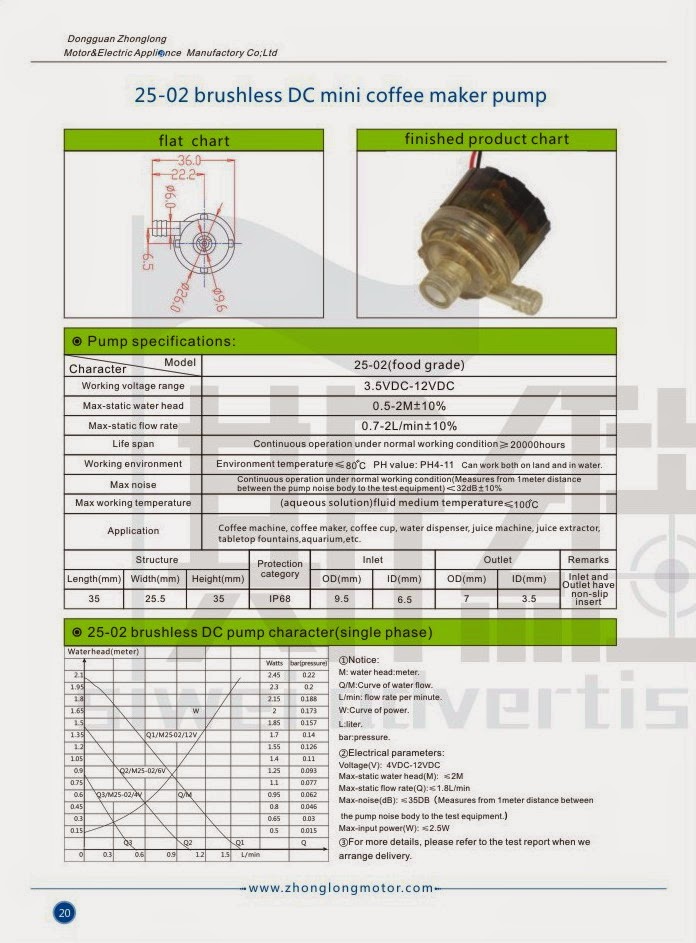
In this article I have explained a protection circuit which may be used for preventing a “dry run” situation in mini coffee dispenser motor pumps, by sensing the slight difference in its wet and dry current consumption levels. The idea was requested by Mr. Ken Adler. Technical Specifications I read with great interest your post titled, […]