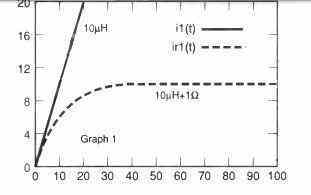
The most crucial element of a switched mode converter or an SMPS is the inductor. Energy is stored in the form of a magnetic field in the core material of the inductor during the brief ON period (ton) switched through the connected switching element such as MOSFET or a BJT. How the Inductor Works in […]
Newly Updated Circuit Projects:
Modifying XL4015 Buck Converter with an Adjustable Current Limiter
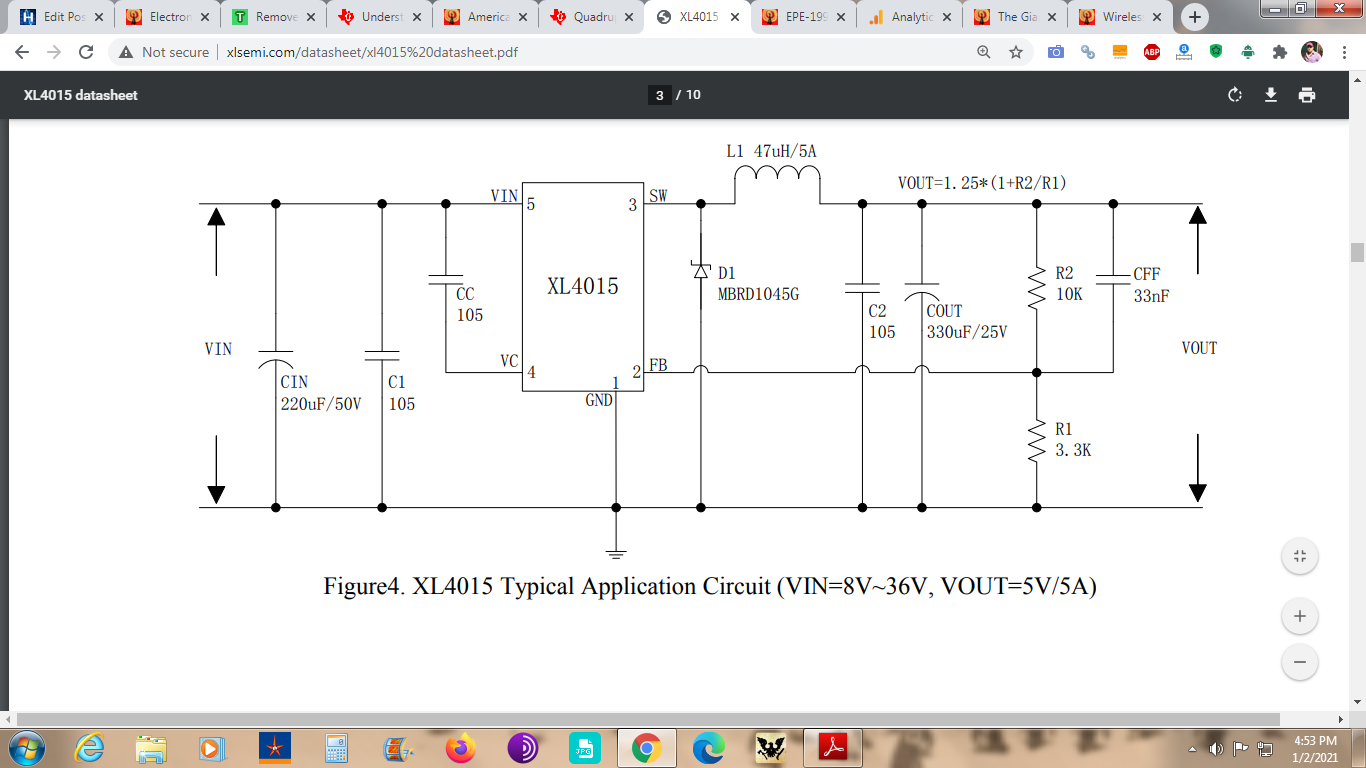
In this post I have explained a simple way to enhance the the XL4015 DC to DC buck converter with an adjustable current limiter, which seems to be missing in the original module. About XL4015 The XL4015 is a 180 KHz fixed frequency PWM buck (step-down) DC/DC converter, specially designed for operating a 5 V, […]
DC Shunt Motor Controller Circuit using Variac
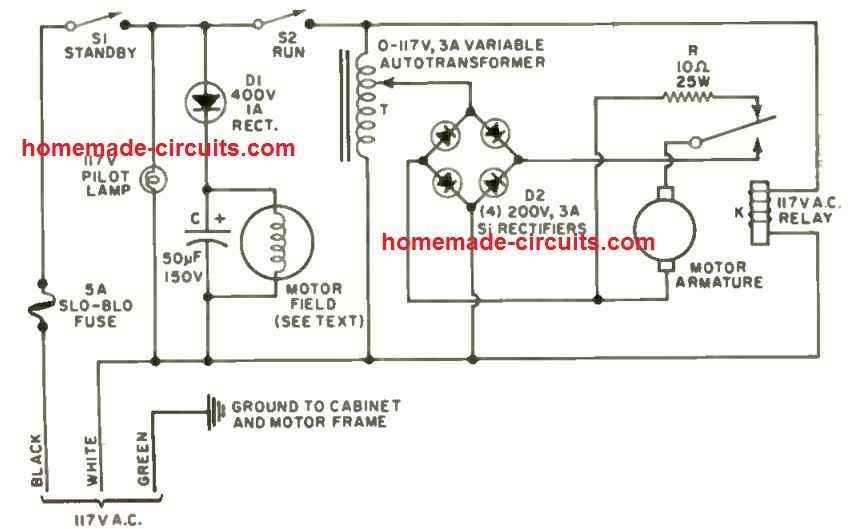
The simple DC shunt motor controller circuit presented in the following article uses a variac. This design facilitates an instant stopping of the motor at any stage with a flick of a switch, along with reversing the motor direction. It also provides speed control for the motor with a high level of accuracy. Overview TRIAC […]
How an Autotransformer Works – How to Make
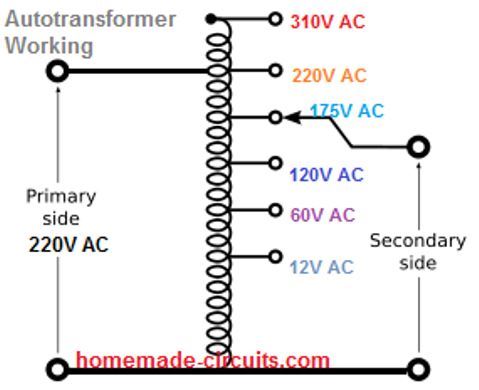
An autotransformer is an electrical transformer which consists of only a single, continuous, non-isolated winding, with tapped terminals across various points of the winding. The winding section between the taps that correspond to the mains AC is applied with the mains AC supply, while the remaining taps are used for getting the desired output voltages, […]
Class-D Sinewave Inverter Circuit
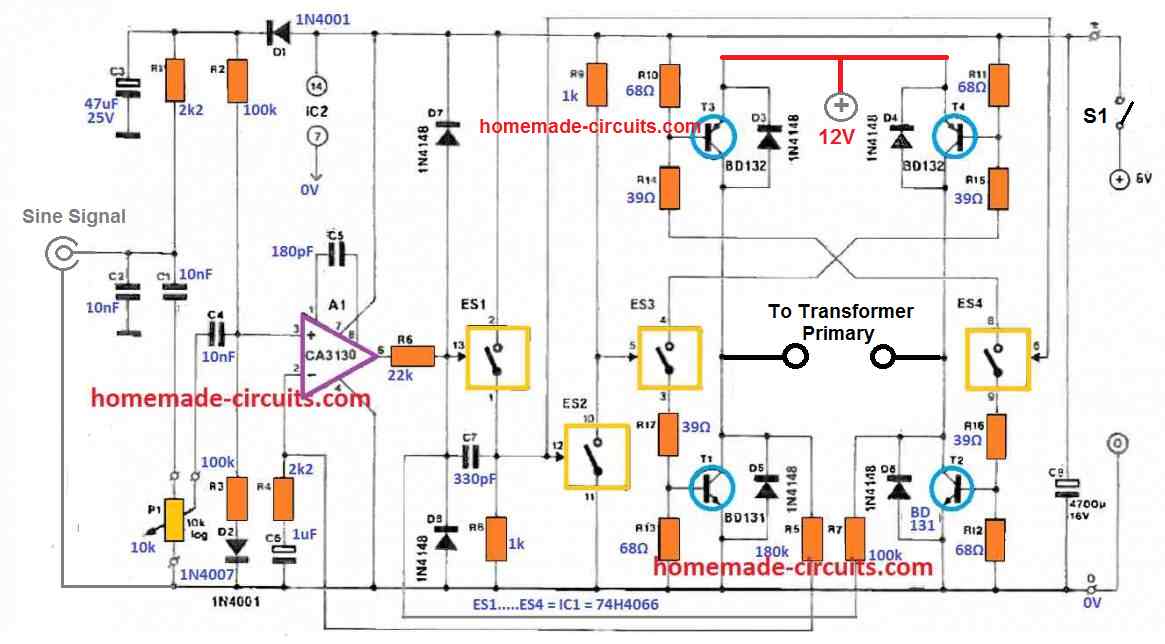
A sinewave inverter using class-D amplifier functions by converting a small sinewave input frequency into equivalent sine PWMs, which is finally processed by an H-bridge BJT driver for generating the mains sinewave AC output from a DC battery source. What is Class-D Amplifier The working principle of a class-D amplifier is actually simple yet extremely […]
Understanding MOSFET Safe Operating Area or SOA
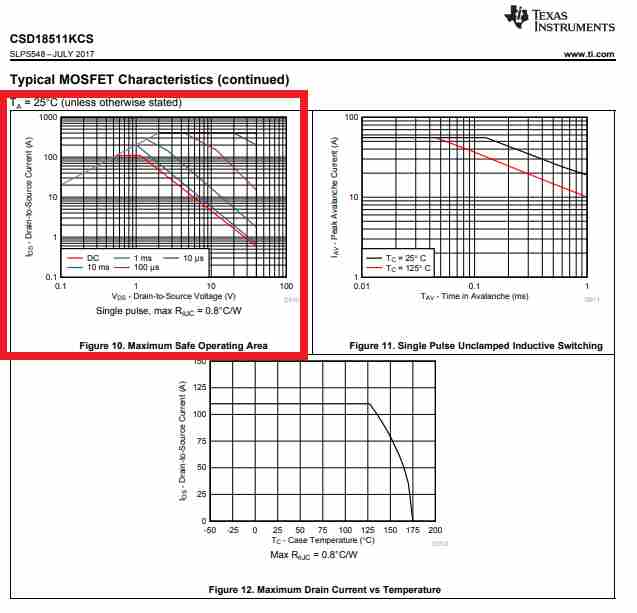
If you are wondering or worried about precisely how much power your MOSFET can tolerate under extreme conditions, or under extreme dissipative situations, then the SOA figures of the device is exactly what you should be looking at. In this post we will be comprehensively discussing the Safe Operating Area, or the SOA, as it […]