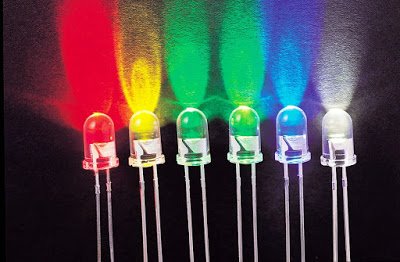
LED lighting products are relatively new for the commercial market and as with any new product, they have to deal with doubt and negative comments from consumers’ side. There just is a lot of false information about LED lights that creates many misconceptions about them. So here are the greatest myths about LED lamps and […]
Newly Updated Circuit Projects:
Designing a Powerful 48V 3KW Electric Vehicle
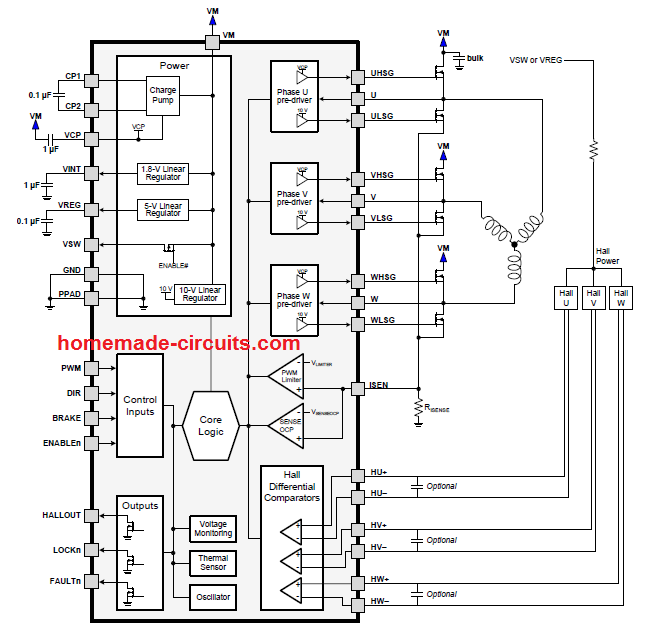
In this post I have explained a few important parameters related to the making of a 48V 3KW electric vehicle using solar panel, including a full fledged circuit diagram for the same. The idea was requested by Mr. Sreejith. Circuit Objectives and Requirements I am Sreejith Rajan a b.tech student doing a project on electric […]
Automatic Food Warmer Lamp for Hotels
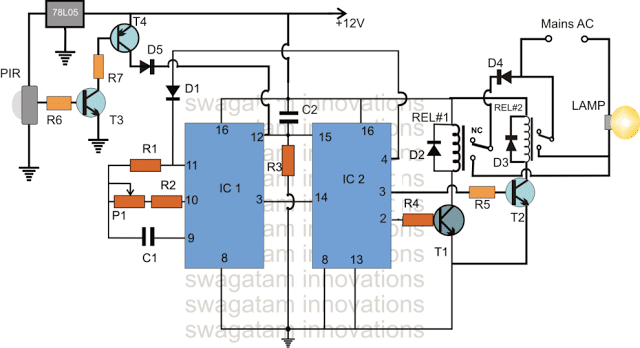
In this post I have explained a simple food warmer lamp timer circuit for restaurants and hotels which can be used for automatically switching OFF the lamps after a predetermined time whenever the food under the lamps are idle or in the absence of an interaction under the lamps, thus saving precious electricity. The idea […]
Controlling LED Strip Light ON/OFF and Brightness with any Remote Control
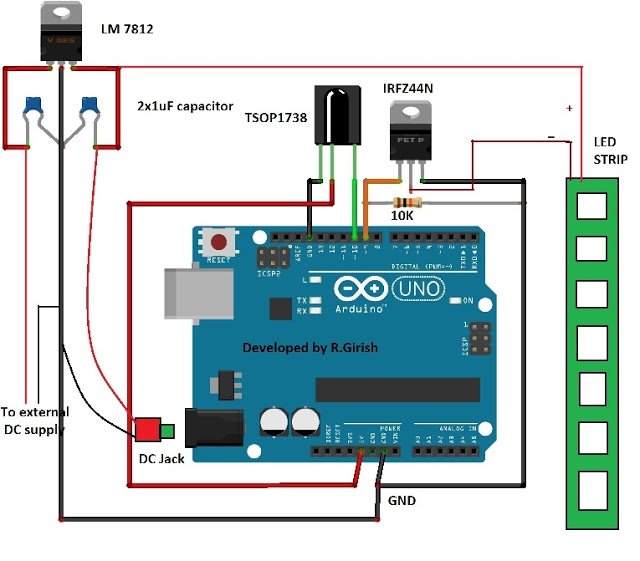
In this post I will show how to construct LED strip controller circuit using Arduino, which can turn ON/OFF and decrease/increase brightness of LEDs using ordinary IR (Infrared) remote. What is LED Strip Light? (For noobs) If you are not familiar with LED strip lights, let’s understand what it is. LED strips (sometimes called as […]
Transistor Stray pickup False Triggering Problem
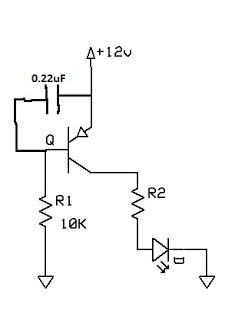
In this article I have explained how to make any BJT or mosfet based circuit free from stray signal pickup and false triggering by simply attaching a filter resistor or a capacitor across their base/emitter or gate/source terminals. The problem was raised by Mr.Henrik. Solving a Circuit Problem I have an issue I don’t understand. […]
3 phase Solar Submersible Pump Inverter Circuit
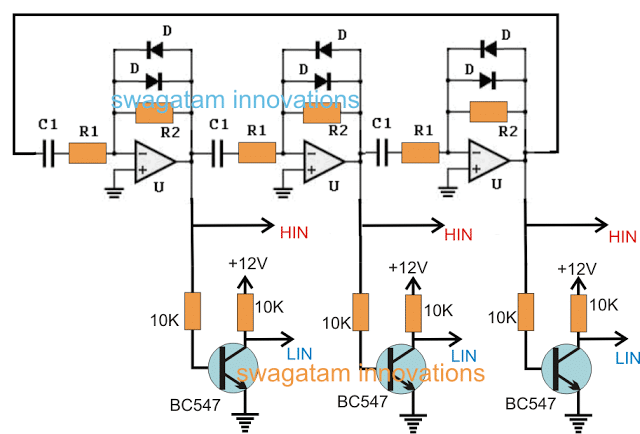
In this post I have explained a simple 3 phase solar submersible pump inverter circuit which can be made by configuring a few ICs and a few power devices. The idea was requested by Mr. Lufono and Mr. Sami. Circuit Objectives and Requirements First of all i must say thanks to you and Mr. Lufono, […]