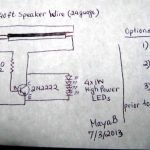
Can you imagine illuminating four numbers of 1 watt LEDs through a a few 1.5V cells? Looks quite impossible. But it can be done simply using a coil of ordinary speaker wire, a transistor, a resistor and of-course a 1.5V pencil cell. The idea was suggested to me by one the keen followers of this […]
Watt
Making a Automatic 40 Watt LED Solar Street Light Circuit
When you want to light up a large garden path, then a farmhouse entrance, or a remote colony road where electricity bill and AC wiring are out of the question, a high wattage solar system is the ultimate solution. Today we will investigate how to build a robust 40W solar street light featuring automatic night […]
100A AC Load Monitoring Circuit using Arduino, Watt Limit, LCD, Alarm, Auto Shutdown

In this project we are going to make one very useful grid power protection circuit. This will be like a power guard system which we can use in homes or apartments to monitor the wattage of the load and also to cut off the load automatically if it starts taking too much wattage, more than […]
100 Watt Amplifier Circuit Diagram using LM12 IC
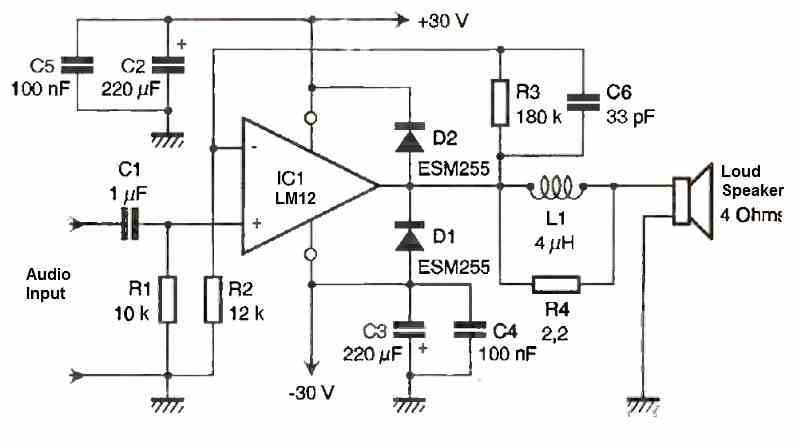
The LM12 integrated circuit (IC)-based 100-watt amplifier circuit is a strong audio amplification solution created to produce high-quality sound in a small package. This amplifier delivers outstanding power output while preserving a tiny footprint by using the capabilities of the LM12 IC. Because it is a monolithic circuit, the LM12 IC is an effective and […]
10 Watt Stereo Amplifier Circuit Diagram
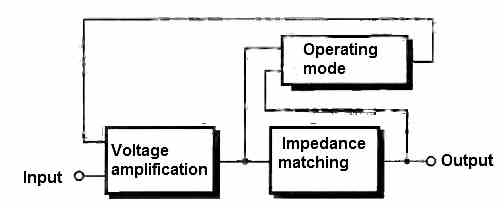
With a simple design, this 10 watt stereo amplifier circuit offers good dynamics and excellent bass reproduction. Although its power output is modest, at 2 x 10W RMS, it allows for comfortable use in small-sized rooms, such as apartments. When paired with speakers with a minimum power rating of 20W, it will provide complete satisfaction. […]
100 Watt Power Amplifier Circuit Diagram using a Single IC TDA7294
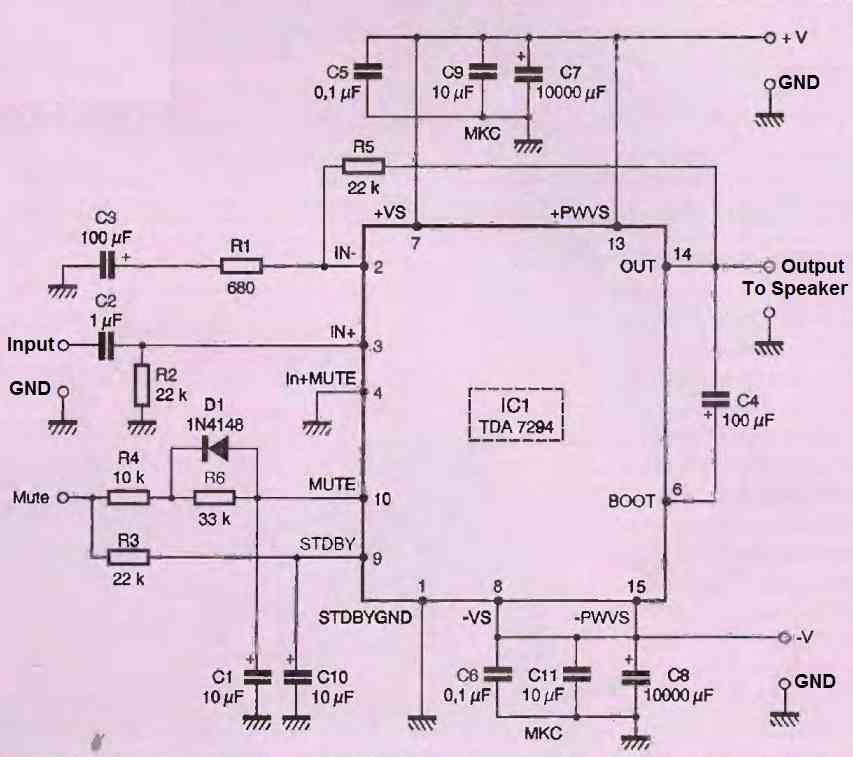
Building a power hi-fi amplifier with MOS transistors requires the implementation of a relatively large number of components because, at the level of power stages, the connection between the bipolar transistors that make up the input stages and the MOS transistors of the output stages is far from simple. Fortunately, there is an elegant solution […]