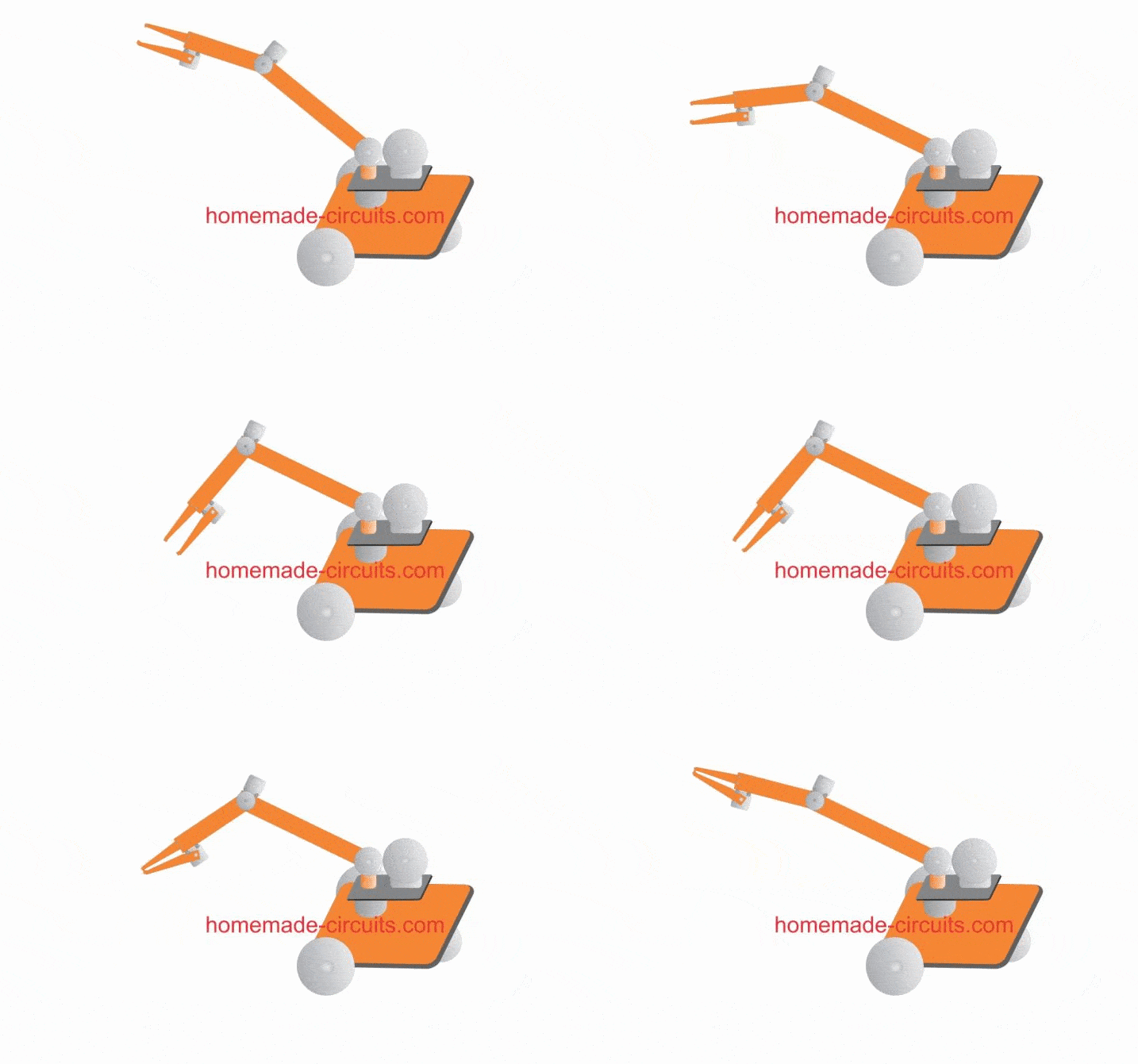
This robotic arm circuit which can be also implemented like a robotic crane, works using 6 servo motors and can be controlled through a microcontroller remote control, using an Arduino based 2.4 GHz communication link. Main Features When you are building something as sophisticated as a robotic arm, it must look modern and must include many […]
Newly Updated Circuit Projects:
USB 5V Audio Amplifier for PC Speakers
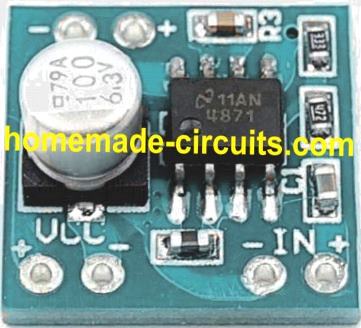
Audio amplifiers which are designed to work with a 5 V supply from a USB socket such as from a computer USB are called an USB amplifiers. In this article I have explained how to build a simple 3 watt amplifier circuit which can be powered directly from a computer 5V USB port for driving […]
50 Best Arduino Projects for Final Year Engineering Students

In this post we sort out a list of most popular, 50 hand-picked and best engineering circuit Arduino projects specially created for all aspiring engineers for their final year project exhibition. The circuit projects include the latest and advanced microprocessor Arduino based designs with full program code. The list also includes projects using discrete parts […]
Using Single Switch for Fog lamp and DRL Lamp
In this post I have explained an easy method of upgrading your existing car fog lamp switch such that it allows toggling both the fog lamp as well as the DRL lamps alternately, as per the owner’s requirement. The idea was requested by mk karthick. Circuit Objectives Am looking for a circuit which is directly connected […]
7 Simple Inverter Circuits you can Build at Home
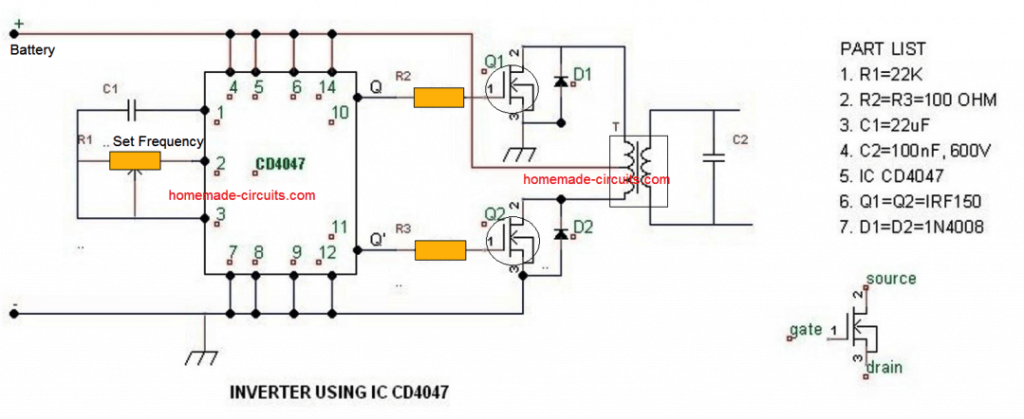
These 7 inverter circuits might look simple with their designs, but are able to produce a reasonably high power output and an efficiency of around 75%. Learn how to build this cheap mini inverter and power small 220V or 120V appliances such drill machines, LED lamps, CFL lamps, hair dryer, mobile chargers, etc through a […]
How a Relay Works – How to Connect N/O, N/C Pins

An electrical relay consists of a electromagnet and a spring loaded changeover contacts. When the electromagnet is switched ON/OFF with a DC supply, the spring loaded mechanism is corresponding pulled and released by this electromagnet, enabling a changeover across the end terminals of these contacts. An external electrical load connected across these contacts are subsequently […]