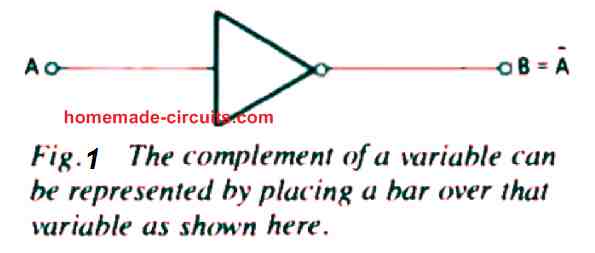
Boolean algebra is a assortment of basic mathematical techniques applied to signify and communicate the logical procedures that happen within a digital circuit. Difference Between Boolean Algebra and Common Algebra Boolean algebra is much like common algebra. The main distinction is that in contrast to common algebra, in which we have parameters that can be […]
Circuits
Tuned Radio Frequency (TRF) Receiver Circuits
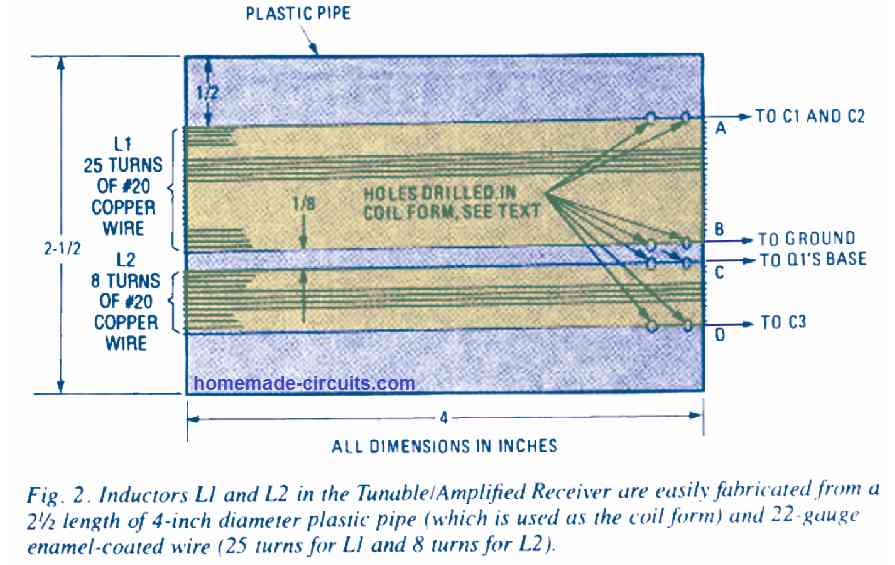
A tuned radio frequency receiver (or TRF receiver) is a form of radio receiver which is made using a number of tuned radio frequency (RF) amplifier stages accompanied by a detector (demodulator) circuit to draw out the audio signal, along with an audio frequency amplifier for amplifying the extracted audio into a loudspeaker. This kind […]
12 Basic Digital Logic Circuits Explored
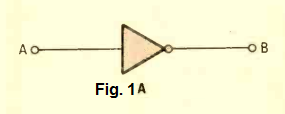
In the following paragraphs I will try to explain the most basic foundations of digital electronic circuits: namely logic gates and logic flip-flops. Whether it is a complex and larger digital circuits, or as simple as a BCD counter, for example the 7490, or a large-scale integration (LSI) microprocessor chip, eventually all of these comprise […]
10 Simple IC 555 Monostable Circuits Explored
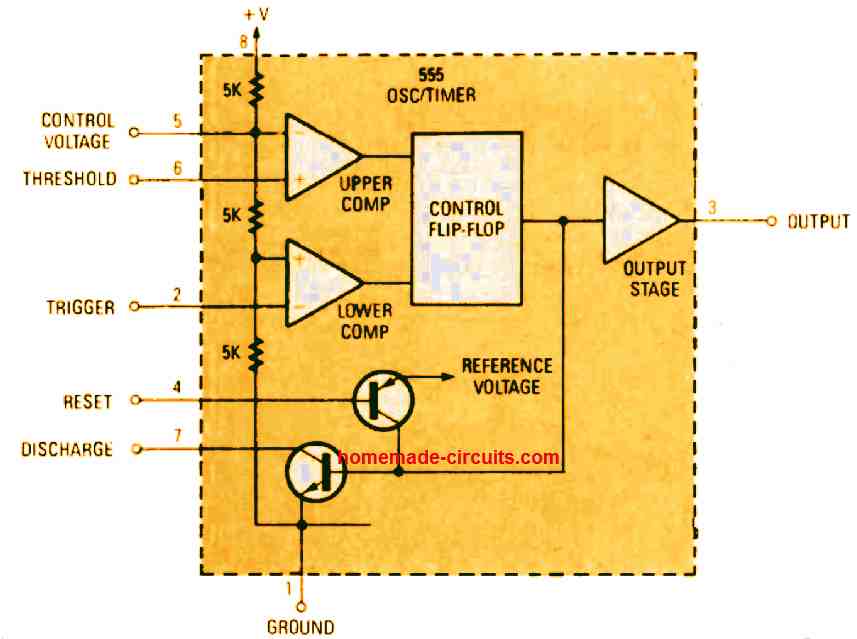
In this post I have explained how IC 555 can be used for making 10 different types of monostable multivibrator circuits, such as one-shot type, debounce preventor, retriggerable type, touch switch monostable circuit and many more. A monotsable multivibrator circuit is a configuration in which, a short momentary pulse at the input of the circuit […]
7 Easy Sawtooth Waveform Generator Circuits using UJT, IC 555, and Transistors
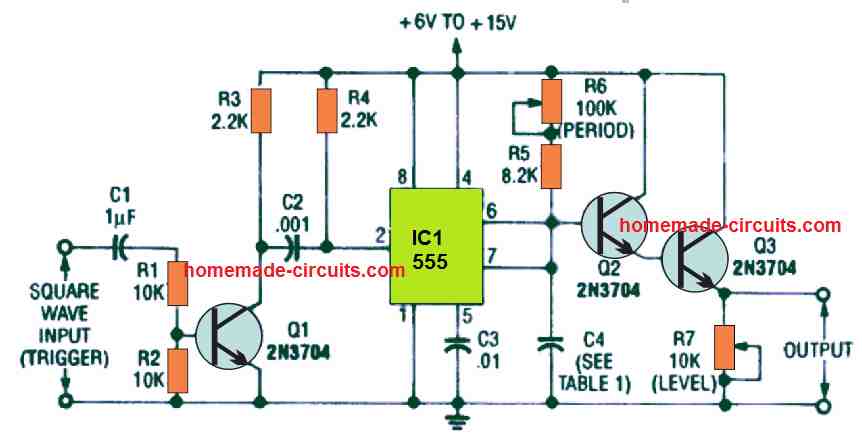
In this post I have explained how to build 7 types of easy sawtooth generator circuits, using BJTs, UJTs, and IC 555. In a sawtooth waveform the voltage increases slowly in a slanting manner or diagonally, then as soon as it reaches the peak, the waveform voltage suddenly drops to zero. Once it drops to […]
Cube Light Circuits
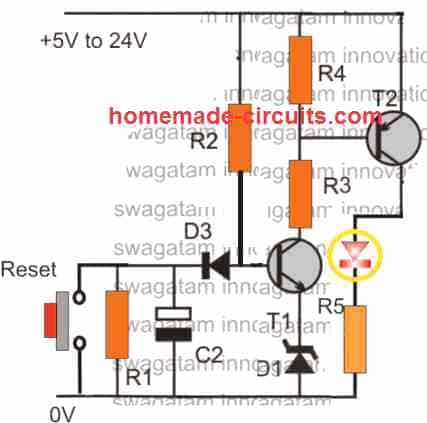
In this post I have explained how to make simple yet fascinating cube light circuits, in which LEDs are connected inside a plastic cube to produce interesting illuminating effects. All the designs presented below are very simple to build and do not involve any complex microcontroller or Arduino coding. Why a Cube Because cube lights […]