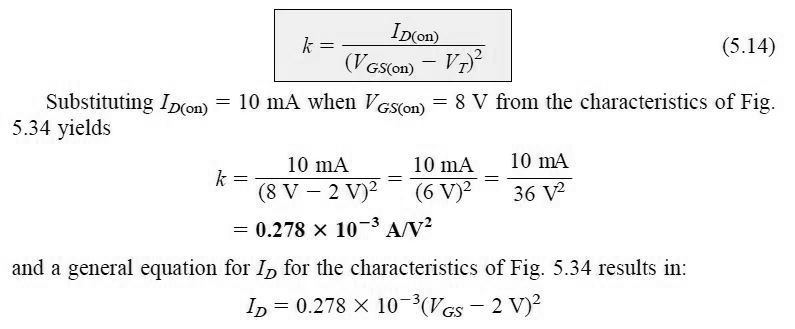
Two main types of FETs that presently exist are: JFETs and MOSFETs. MOSFETs can be further classified into depletion type and enhancement type. Both these types define the fundamental mode of operation of MOSFETs, while the term MOSFET itself is the abbreviation of metal-oxide-semiconductor-field-effect transistor. Due to the fact that the two types have different […]
Electronics Theory
SCR/Thyristor Circuit Configurations

Now in this article we will try to understand step by step how we can use this thyristor in practical work. That can be for controlling heavy loads like electric lamps, heaters, or motors and so on. So this part is more about real application and not only about theory. How We Trigger The Thyristor […]
Understanding Bipolar Junction Transistors (BJTs)
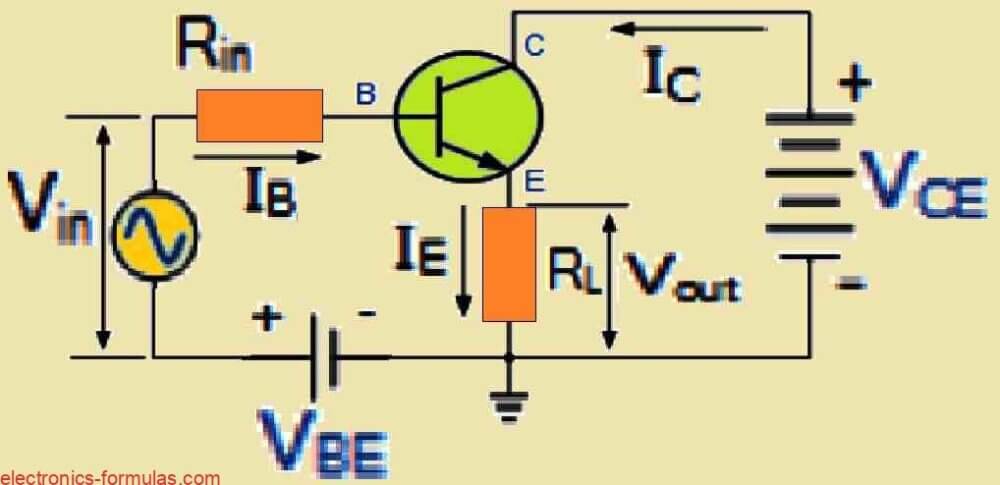
If we look at the diodes, their internal construction look very simple. They are made by joining two pieces of semiconductor material, and this is called a pn-junction. But when we talk about bipolar junction transistor or bjt, then things get little more complicated. It needs adding one more layer of semiconductor material, and that […]
How To Use Triac For AC Power Control
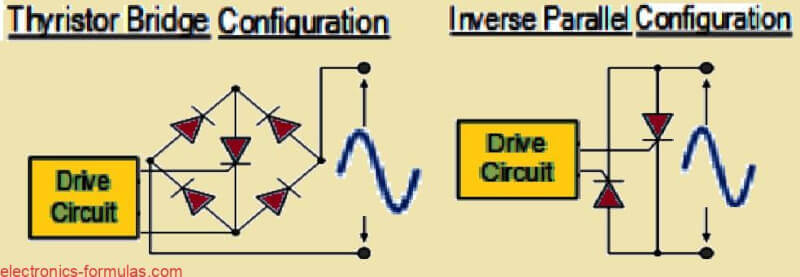
Here we are talking about controlling things like lamps, motors, heaters, and other similar electrical loads. The devices we use for this purpose are called thyristor and triac, OK? Both these devices, thyristor and triac, they can actually do this job like simple switch ON/OFF or they can also adjust the power given to these […]
How to make a Transistor Latch Circuit
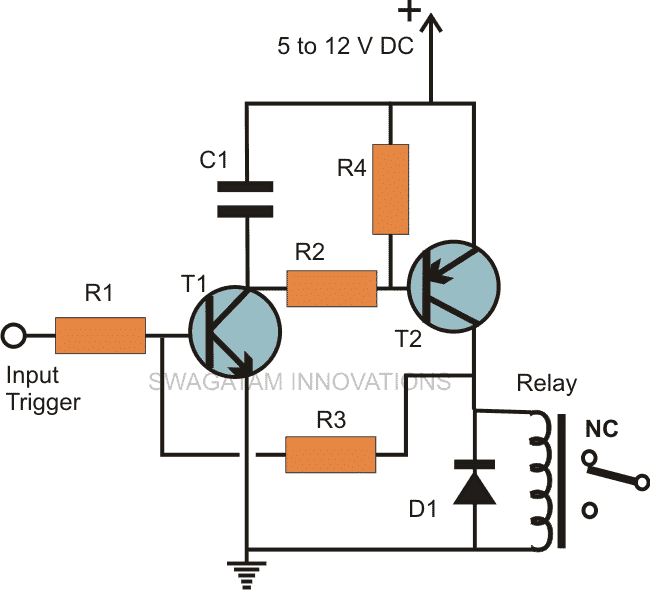
In this post I have explained how to make a simple transistor latch circuit using just two BJTs and a few resistors. Introduction A transistor latch is a circuit which latches ON with a permanent high output in response to a momentary input high signal, and continues to stay in this position as long as […]
H-Bridge Bootstrapping
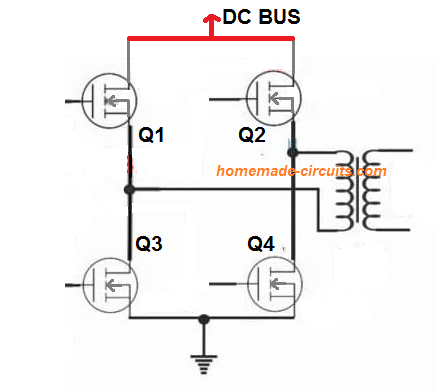
Bootstrapping is a crucial aspect that you will find in all H-bridge or full bridge networks with N-channel mosfets. It is a process in which the gate/source terminals of the high side mosfets are switched with a voltage that’s at least 10V higher than its drain voltage. Meaning, if the drain voltage is 100V, then […]