• Skip to main content
  • Skip to primary sidebar

Homemade Circuit Projects

Need circuit help? Post them in the comments! I've answered over 50,000!

Blog | Categories | About | Hire Me | Contact | Calculators-online
You are here: Home / Energy from Magnets and Earth / Recovering Electricity from Air Using a Sec Excitor Coil

Recovering Electricity from Air Using a Sec Excitor Coil

Last Updated on May 20, 2026 by Swagatam 3 Comments

Table of Contents
  • How to Wind the Inductors
    • Images of Sec Exciter Coil Tower Pototype
    • Employing a LM317 Circuit
    • Illuminating a Wireless Neon Bulb

The following experiment shows how interestingly Mr.Steven could draw radiant energy from air using his home-built sec exciter coil tower, he used it to a feed a small LM317 power supply unit and made it work successfully. Read more...

How to Wind the Inductors

"When i hand wind my coils i didn't use varnish its to soft and takes to long to dry , so i mix a 2 part araldite mix together then use my fingers to apply it while rotating the coil winder by hand so the araldite dries fast and thick and is stronger.

i make my own colloidal silver and soon ill be making the first ever colloidal silver using the same voltage and energy or RF current i get from the sec tower so i hope the energy rf currents and the voltage can make some kind of rejuvenated super water....

ill take some pictures when i get the chance to of all the circuits ive made that are powered from the single output wire of an sec exciter tower including my fast nmh battery charger and high voltage capacitor charger etc etc at first the results of the nickel metal hydride rechargeable battery test was mixed in one test the battery had some voltage left in it and gained a charge up to 12 volts well past the battery's capacity, then another test a battery went flat fast after topping it up using the circuit and

another test the measured battery voltage was going up as if self charging itself , so i wondered if the rf currents and voltage from the sec exciter tower did something to whats inside the battery , its a long story.

Images of Sec Exciter Coil Tower Pototype

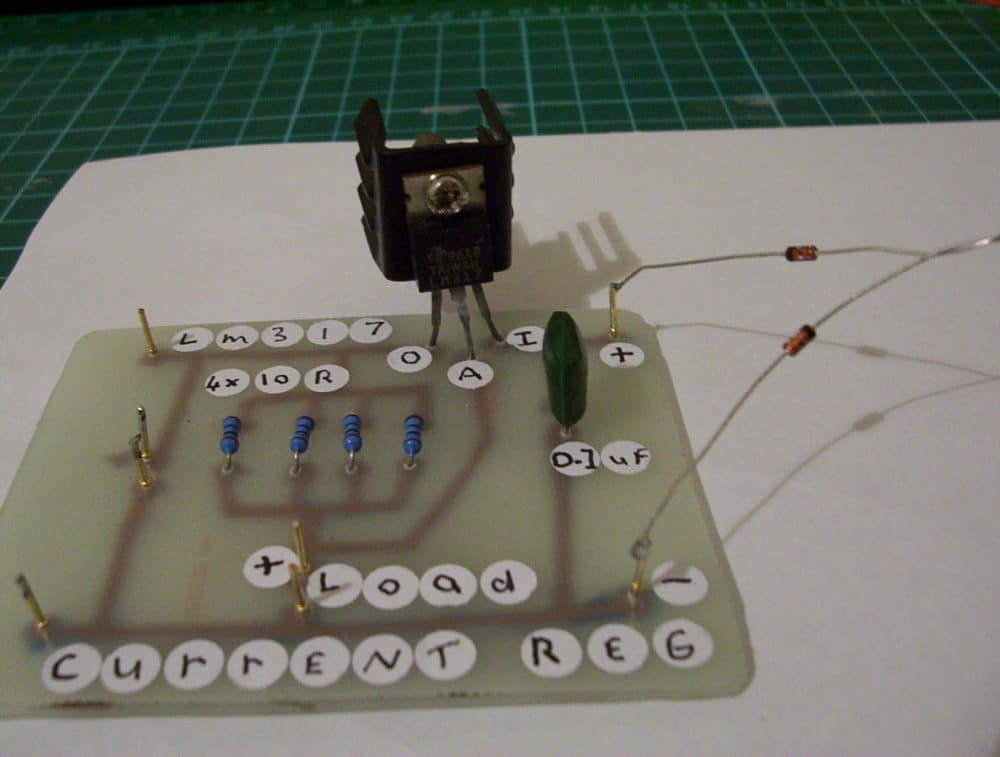
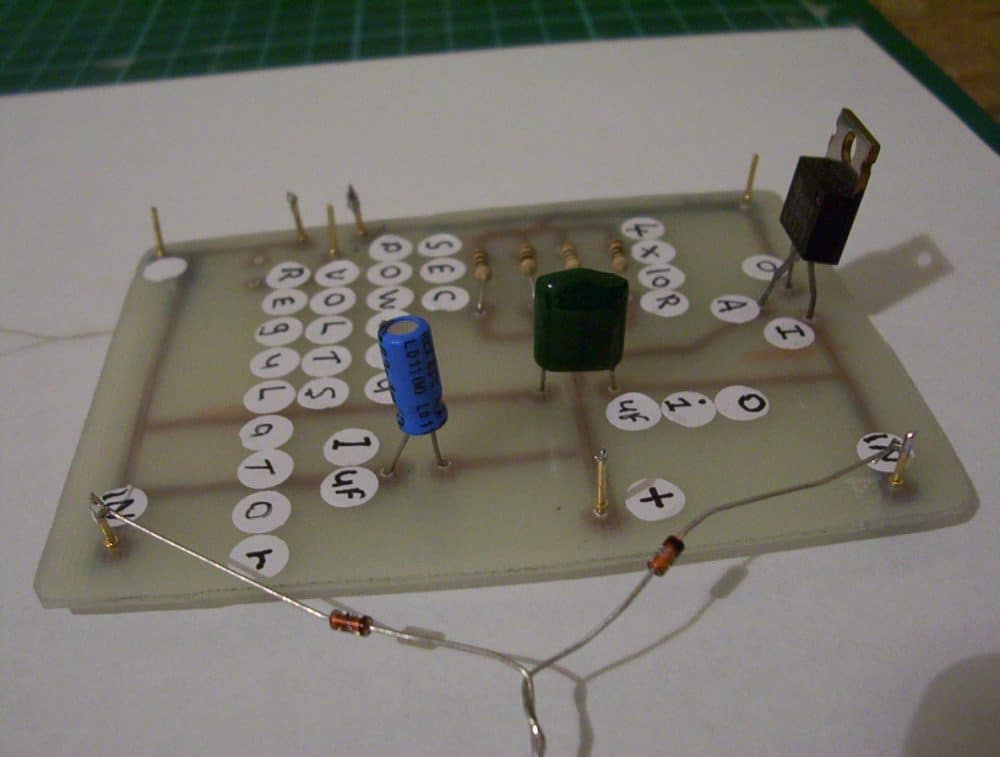
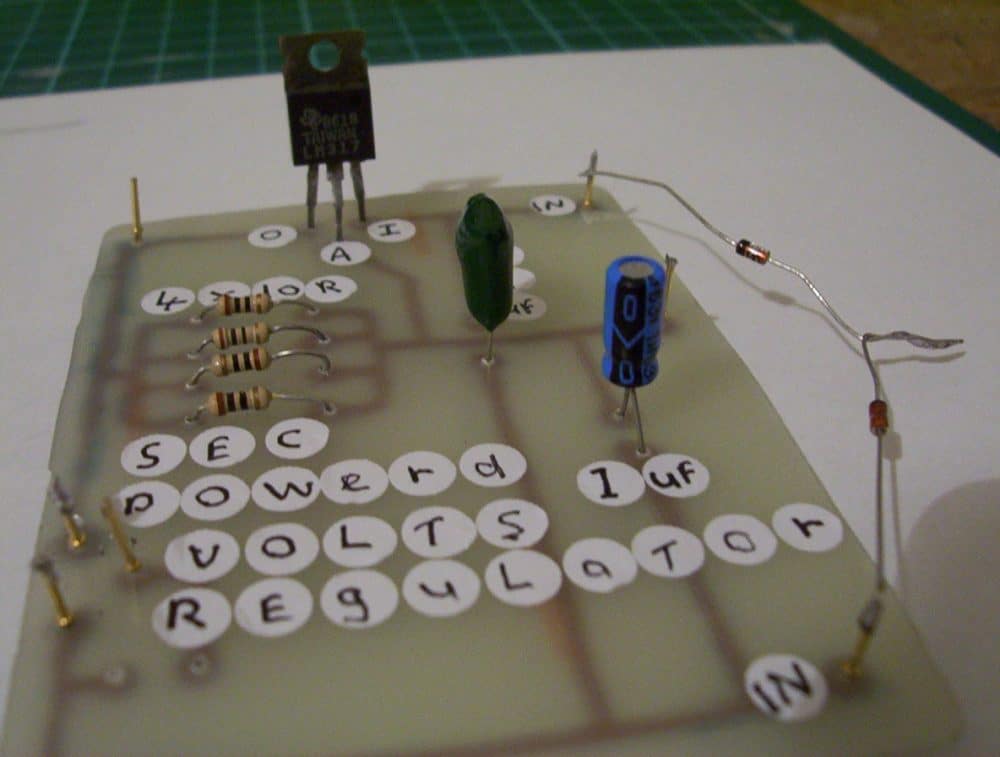
Here are 7 pictures of the sec exciter coil tower powered voltage and current regulator circuits  adding just the 2 fremenko plug diodes to these enables them to be powered from a one wire output from the sec exciter coil tower ive got the video of these being tested and its amazing".

Please also see the VIDEO clipping after the images.
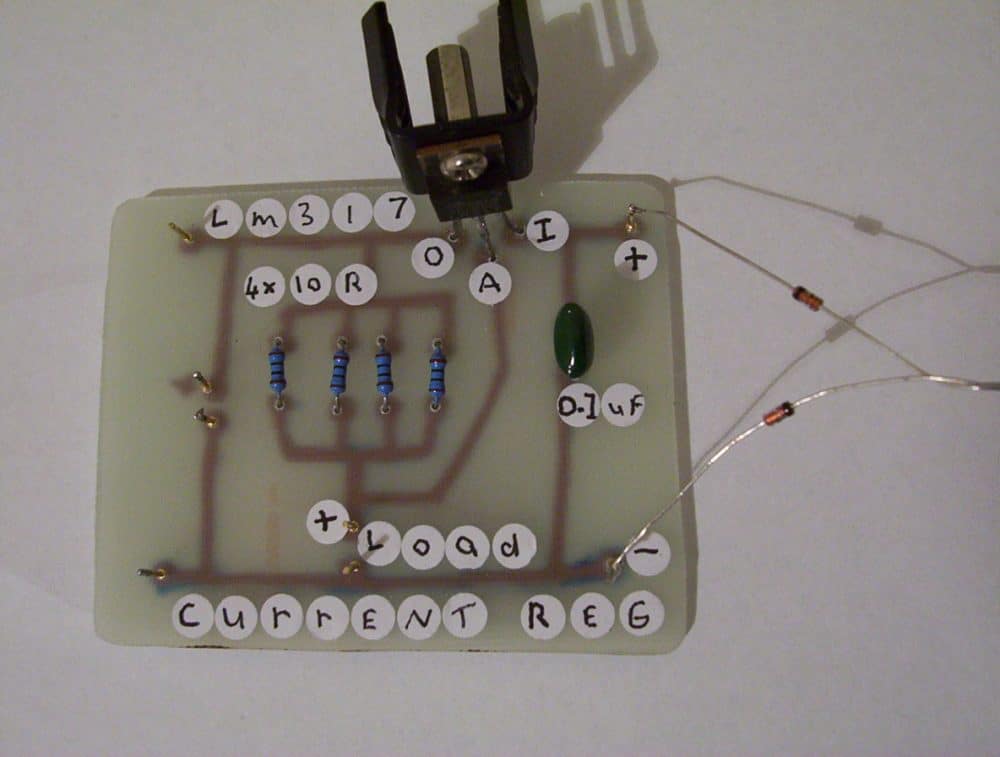
 

Employing a LM317 Circuit

Here's some tests i did with another lm317 regulator circuit i built to
try get the best current and voltage outputs  so far it would be suitable to use it to a joule thief to try get a better  current output
from it.
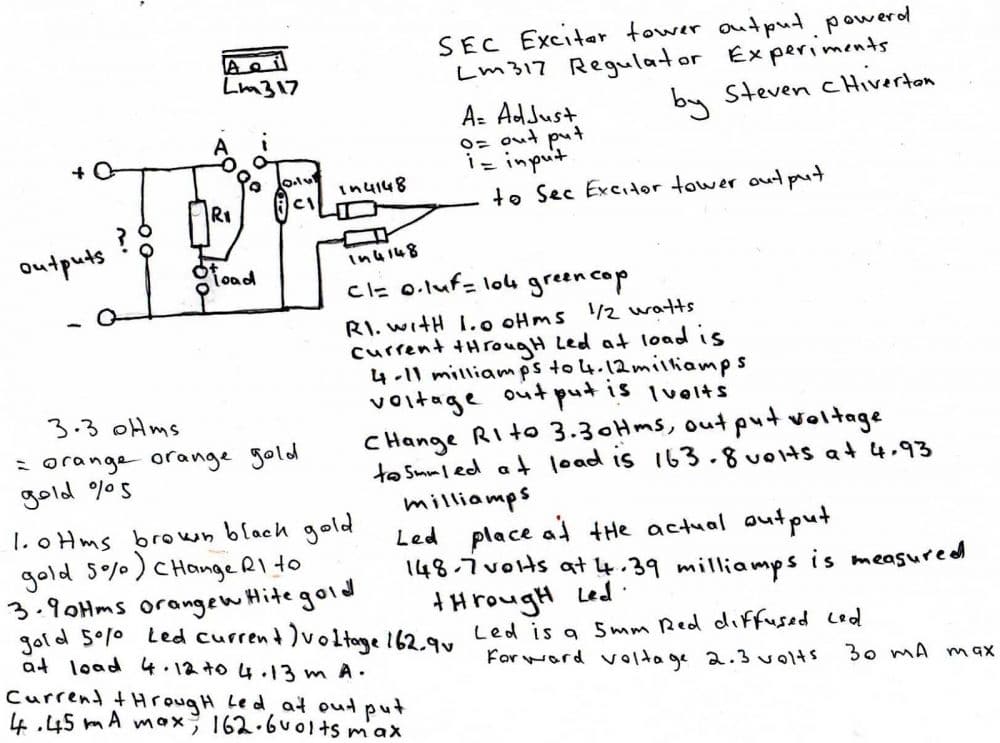
 

During experiments of my newest sec exciter, tower powered Regulator circuit, I decided to use a spot on the circuit board of my newest Lm317 sec exciter, tower powered regulator circuit,

so I decided to test a neon Out on it so I soldered it into that spot it was marked with a question mark on The other circuit above , the neon light up so there was more than enough Voltage coming out of the output of that circuit to light up the neon.

Illuminating a Wireless Neon Bulb

Then I decided to try another neon at the load area so I Held a neon by one leg and it lit up when I touched the other one leg to the Positive on the load and it even lit up when I touched the neon leg to the Negative of the load , and also when I lit the neon up at the load points the Other neon near the outputs got Brighter .

So I turned the driver Circuit to the sec exciter tower off and I was holding the lm317 regulator by The board and as I touched the negative output pin the neon in the lm317 sec Exciter powered regulator circuit started to flash on and off .

And yet the Power to the driver was off so what the hell was doing this the closest power Source to the circuit was the switched off 9 volts dc 500 milli amps power Supply wire running to the sec driver circuit which was switched off so what the Hell could 9 volts dc at 500 milli amps regulated power supply had to do with The neon flashing on and off its dc regulated so whats the connection.

I pulled the power supply out of the plug to the switched Off circuit and the neon stopped flashing. Now even 9 volts at 500 milli amps is Not enough to flash a neon and the driver circuits power is off and the power Input led is off so wheres the energy, coupling coming from to light the neon.
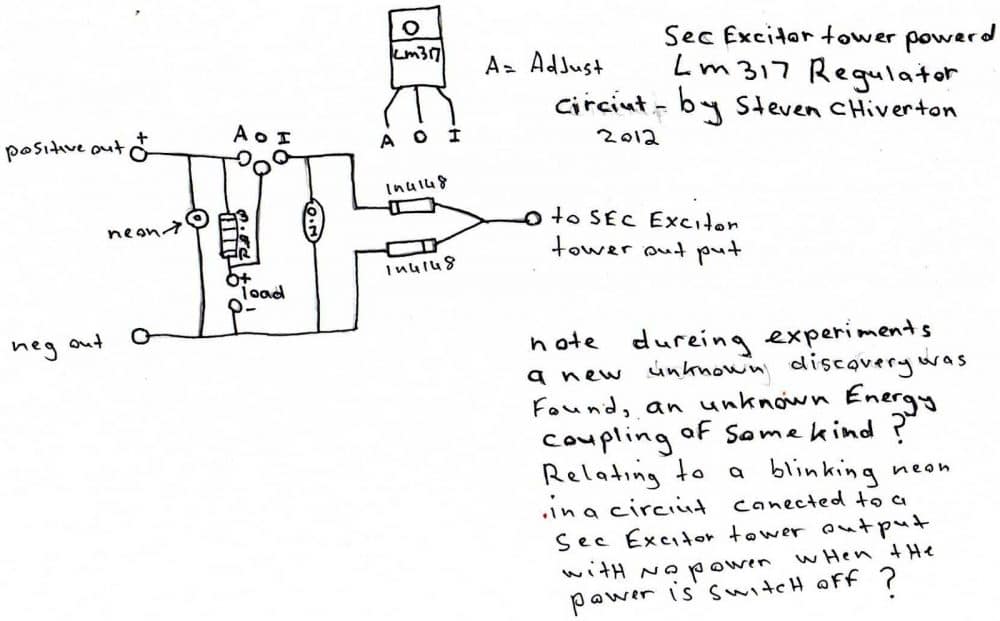
I did some more testing the sec exciter coil tower powered lm317 voltage regulator circuit and with the neon blinking on and off with the power to the circuit on and the power switch at the circuit in the off position ,

i measured the voltage input into the driver circuit to see if anything was still flowing into it with the power switch in the off position, and measured a tiny 7.0 millivolts through the off switch into the driver circuit , with the amount of parts in the driver circuit and the amount of wire in the sec tower coil it shouldn't off even been able to ignite a neon at all even very dimly on and off like it dose and with 7.0 millivolts input leaking through and the neon blinking on an off continuously while i have my finger grounded to the regulator circuits negative output is a strange one.

The next circuit runs off a one negative wire output of the lm317 circuit that's powered from the one wire output of the sec exciter tower its weird way of operating may be hard to explain for me anyhow so you can see some of what i written down on the drawing , its could end up being the rf version of a new parasite zapper for all i know till i do some more testing 2 of the neons also respond like a body's efeild sensor and lite up when you bring your hands near it

You'll also like:

  • Solar Gravity Lift System – Renewable Energy Concept
  • another close up of sec tower 1Building a Sec Exciter – By Steven Chiverton
  • free2Benergy2Bfrom2BpendulumHow to Generate Electricity from a Pendulum
  • regenerative motor acceleration set up compressedRegenerative Motor Acceleration Experiment

Filed Under: Energy from Magnets and Earth Tagged With: Coil, Deriving, Energy, Excitor, Free

About Swagatam

I am an electronics engineer and doing practical hands-on work from more than 15 years now. Building real circuits, testing them and also making PCB layouts by myself. I really love doing all these things like inventing something new, designing electronics and also helping other people like hobby guys who want to make their own cool circuits at home.

And that is the main reason why I started this website homemade-circuits.com, to share different types of circuit ideas..

If you are having any kind of doubt or question related to circuits then just write down your question in the comment box below, I am like always checking, so I guarantee I will reply you for sure!

Previous Post: « Charging a Small NiMh Battery from Air
Next Post: Simple Voltage-to-Current and Current-to-Voltage Techniques – By James H. Reinholm »

Reader Interactions

Questions & Answers

Total Posts: 3
Newest Oldest
PAUL E LAMBERT III
February 9, 2024 • 3 years ago #149080

about the jpg’s posted on this webpage. the lm317 pin id’s are wrong in the pics, he hand drawing is correct. I thought you should know. current regulator one 1

Reply
SwagatamAdmin
February 9, 2024 • 3 years ago #149083

Thank you for notifying…I hope the readers will read this comment and take note of it.

Reply
محمد الساعدي بن دلة
July 26, 2016 • 10 years ago #42986

A Hulda Clark zapper pleas

Reply

Need Help? Please Leave a Comment! We value your input—Kindly keep it relevant to the above topic! Cancel reply

Your email address will not be published. Required fields are marked *

Primary Sidebar

My YouTube Channel

Circuit Simulator: Draw and Simulate Schematics

circuit simulator image

Categories

  • Arduino Projects (95)
  • Audio and Amplifier Projects (134)
  • Automation Projects (18)
  • Automobile Electronics (104)
  • Battery Charger Circuits (90)
  • Datasheets and Components (109)
  • Electronics Theory (151)
  • Energy from Magnets and Earth (43)
  • Games and Sports Projects (11)
  • Grid and 3-Phase (20)
  • Health related Projects (27)
  • Home Electrical Circuits (13)
  • Indicator Circuits (16)
  • Inverter Circuits (98)
  • Lamps and Lights (161)
  • Meters and Testers (72)
  • Mini Projects (28)
  • Motor Controller (68)
  • Oscillator Circuits (30)
  • Pets and Pests (15)
  • Power Supply Circuits (91)
  • Remote Control Circuits (50)
  • Security and Alarm (65)
  • Sensors and Detectors (107)
  • SMPS and Converters (46)
  • Solar Controller Circuits (62)
  • Temperature Controllers (44)
  • Timer and Delay Relay (51)
  • Voltage Control and Protection (44)
  • Water Controller (37)
  • Wireless Circuits (31)

Subscribe to get New Circuits in your Email

Other Links

  • Privacy Policy
  • Cookie Policy
  • Disclaimer
  • Copyright
  • Videos
  • Sitemap

People also Search

555 Circuits | 741 Circuits | LM324 Circuits | LM338 Circuits | 4017 Circuits | Ultrasonic Projects | SMPS Projects | Christmas Projects | MOSFETs | Radio Circuits | Laser Circuits | PIR Projects |

Recent Comments

  • Swagatam on 24V to 12V DC Converter Circuit [using Switching Regulator]
  • Swagatam on Automatic Battery Full Cut-Off Latching Circuit with Trickle Charging
  • Ramin on Automatic Battery Full Cut-Off Latching Circuit with Trickle Charging
  • Joss on 24V to 12V DC Converter Circuit [using Switching Regulator]
  • Swagatam on Simple Capacitive Discharge Ignition (CDI) Circuit

Social Profiles

  • Twitter
  • YouTube
  • Instagram
  • Pinterest
  • My Facebook-Page
  • Stack Exchange
  • Linkedin

Calculators

  • ZVS Induction Heater + Tank Calculator Tool
  • Zener Diode Calculator
  • Wire Current and Thickness Calculator (Ampacity Calculator)
  • Voltage Divider Calculator
  • Transistor Base Resistor Calculator
  • Transistor Astable Multivibrator Calculator
  • TL431 Calculator
  • Solar Panel, Inverter, Battery Calculator
  • Ferrite Core Air Gap Calculator Tool
  • Parallel MOSFET Calculator Tool: How to Connect MOSFETs in Parallel Safely
  • LC Resonance Calculator for EV Battery Charger Circuits
  • LED String Series Resistor Calculator
  • PFC (Power Factor Correction) Calculator Tool: 3kW
  • Passive Power Factor Correction (PFC) Calculator
  • LM567 IC Calculator Tool
  • SMPS Flyback Boost Converter Calculator
  • Shunt Resistor Calculator for Ammeters
  • SCR and Triac Gate Resistor Calculator
  • Battery Back up Time Calculator
  • Boost Converter Calculator (Non-Isolated)
  • Bootstrap Capacitor Calculator
  • Buck Converter Calculator
  • Buck-Boost Converter Calculator
  • Capacitance Reactance Calculator
  • DCM Flyback Transformer & Wire Gauge Wire Size Calculator Tool
  • Filter Capacitor Calculator
  • IC 4047 Calculator (Frequency and PWM)
  • IC 4060 Calculator
  • IC 555 Astable Calculator
  • IC 555 Monostable Calculator
  • IC SG3525, SG3524 Calculator
  • Inductance Calculator
  • Induction Heater Inductor and Resonant Frequency Calculator
  • Induction Heater Work Coil Calculator
  • Inverter LC Filter Calculator
  • LC Resonance Calculator
  • LED Current Calculator
  • LM317, LM338, LM396 Calculator
  • NAND/NOT Gate RC Values Calculator
  • NOT, NAND Gate Frequency Calculator
  • Notch Filter Calculator Tool
  • Ohm’s Law Calculator
  • Phase Angle Phase Shift Calculator
  • Power Factor (PF) Calculator
  • RC Filter Calculator
  • Reactance Calculator
  • Sine Table Calculator for SPWM Arduino Code
  • Small Signal Transistor(BJT) and Diode Quick Datasheet
  • SMPS Calculator for Toroidal Ferrite Transformers
  • SMPS Flyback Transformer Calculator – Design by Target Duty Cycle
  • TL431 Calculator
  • Op-Amp Hysteresis Resistor Calculator

© 2026 · Swagatam Innovations