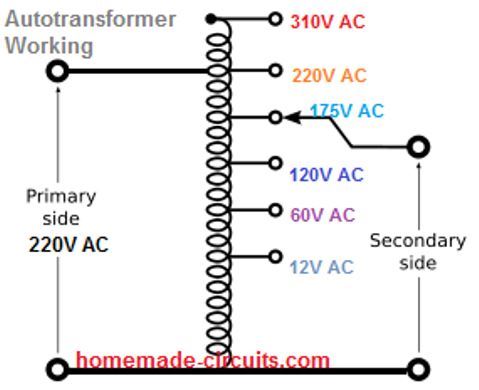
An autotransformer is an electrical transformer which consists of only a single, continuous, non-isolated winding, with tapped terminals across various points of the winding. The winding section between the taps that correspond to the mains AC is applied with the mains AC supply, while the remaining taps are used for getting the desired output voltages, […]
Power Supply Circuits
How IC LM337 Works: Datasheet, Application Circuits
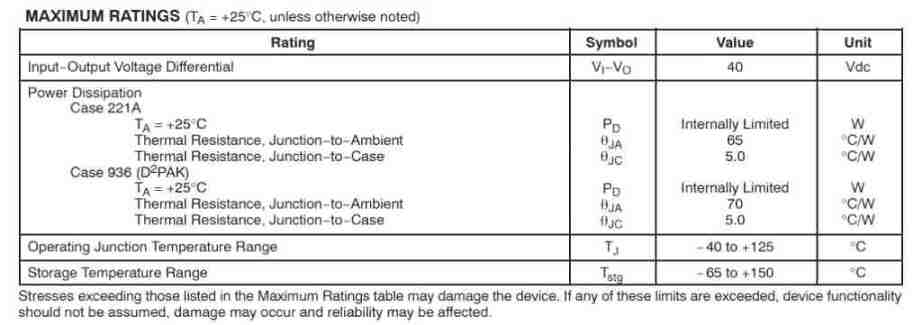
In this post I will talk about the function of an interesting voltage regulator device: The LM337, which is basically the negative complementary device for the popular LM317 IC. Built with an adjustable 3-terminal negative voltage, this regulator can conveniently supply around 1.5 A with an output voltage range of -1.2 V to -37 V. […]
Soft-Start Power Supply for Amplifier Loudspeakers
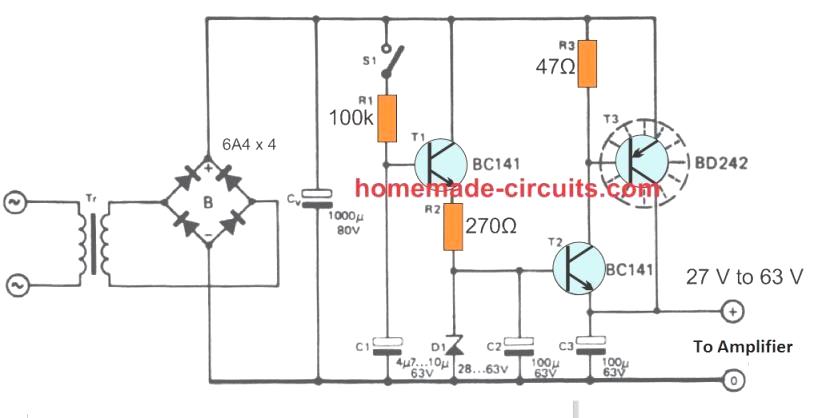
The proposed slow-start power supply circuit is specially designed for power amplifiers to ensure that the loudspeaker connected with the amplifier do not generate the loud and unwanted “thump” sound during power switch ON. This also implies that the power supply will safeguard or protect the loudspeaker from the sudden inrush current transient from the […]
Simple Low Dropout Regulator Circuits Explained
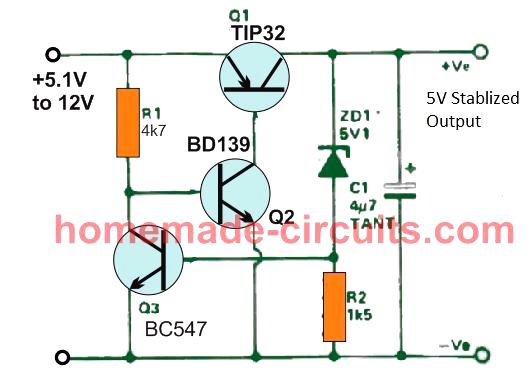
The transistorized low dropout voltage regulator circuit ideas explained in the following article can be used for getting stabilized output voltages right from 3 V and above, such as 5 V, 8 V, 9 V, 12 V, etc with an extremely low dropout of 0.1 V. For example, if you make the proposed 5 V […]
Laboratory Power Supply Circuit
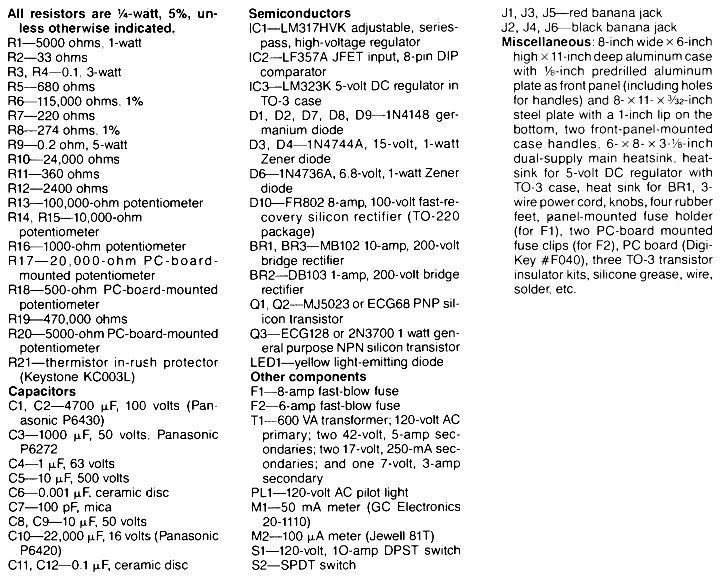
Although a variety of laboratory power supplies have appeared in recent times, only handful of these will provide you with the efficiency, versatility, and low cost of the design detailed in this article. In this article I have explained a highly regulated, DIY, laboratory grade power supply with dual 0-50 volt. The voltage and current […]
5 V to 10 V Converter for TTL Circuits
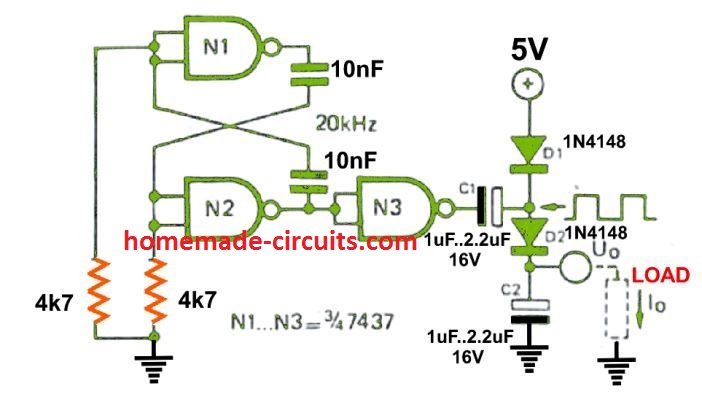
In this post I have explained a simple 5 V to 10 V converter circuit which can be used in TTL circuits where only 5 V is available and converting this 5 V to 10 V can be extremely useful for operating an adjacent circuit which may require a supply of around 9 V or […]