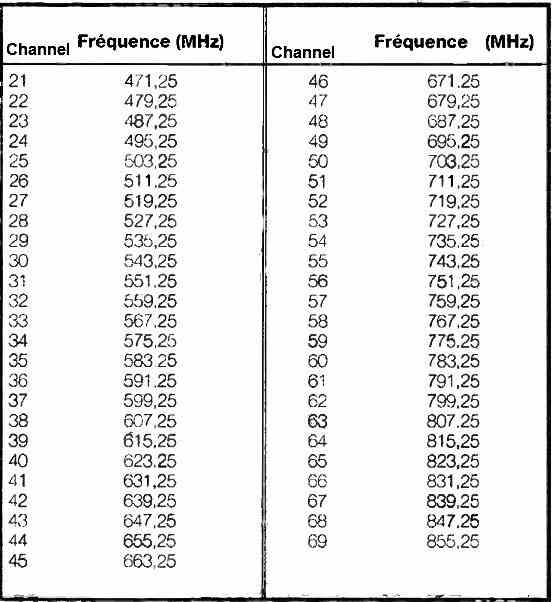
Mini black and white cameras are now available at a low cost. The proposed experimental setup allows wireless transmission of images from a CCD camera module. The entire system is completely autonomous, and numerous applications can be considered: video doorbell, monitoring of a child’s room, onboard video system, aerial photography (modeling), etc. The transmission is […]
Newly Updated Circuit Projects:
Electronic Candle Flame Simulator Circuit
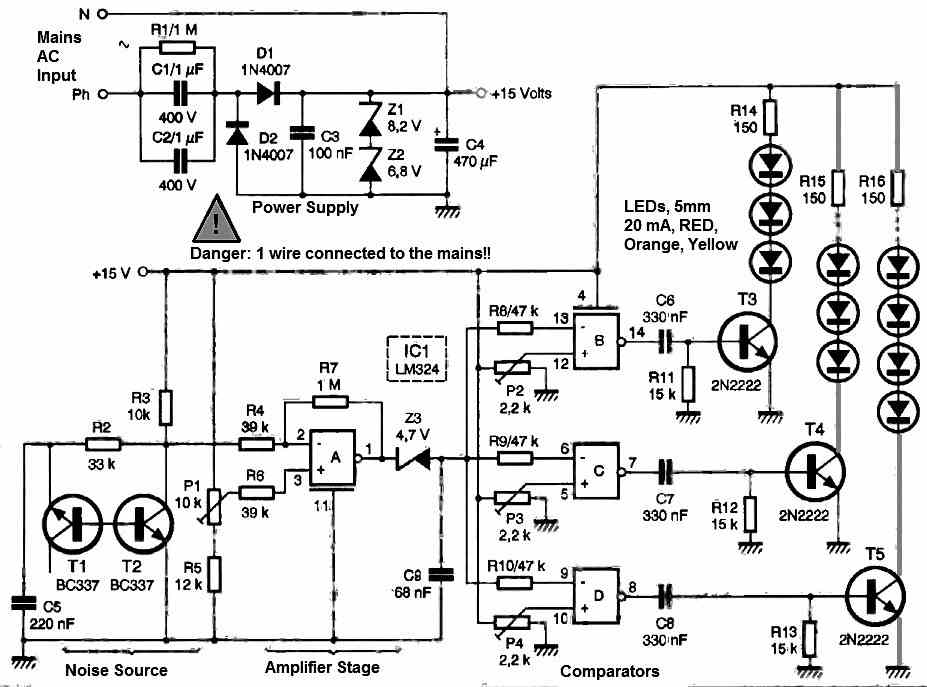
This electronic candle accurately imitates the flickering flame of a lit wick, but it remains considerably cleaner, doesn’t drip, and poses no risk of setting your interior on fire. It only requires a handful of ordinary components and is powered directly from the mains with minimal energy consumption. Its lifespan will be exceptionally long. How […]
Sound Activated Remote Control Circuit
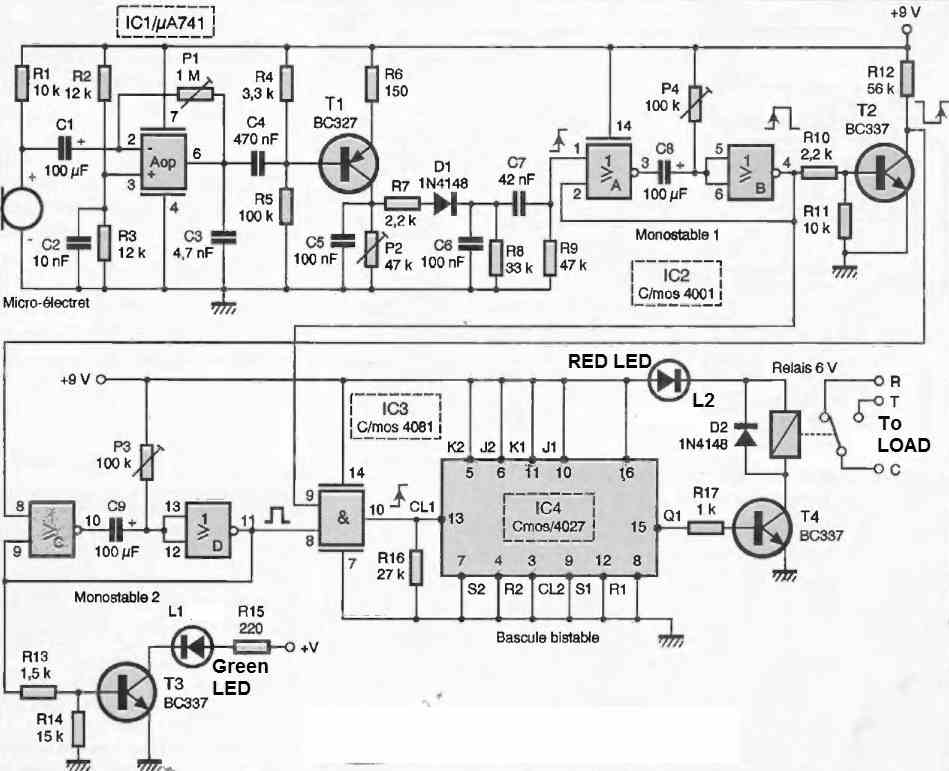
This sound activated remote control circuit can be used to operate any electrical load ON/OFF, through a double sound command. Thus, the circuit ensures that the load cannot be operated through any random single sound triggers, which makes the circuit very fool proof. Our device will require two shifted sound commands. However, the second sound […]
High Voltage DC Motor Speed Regulator Circuit
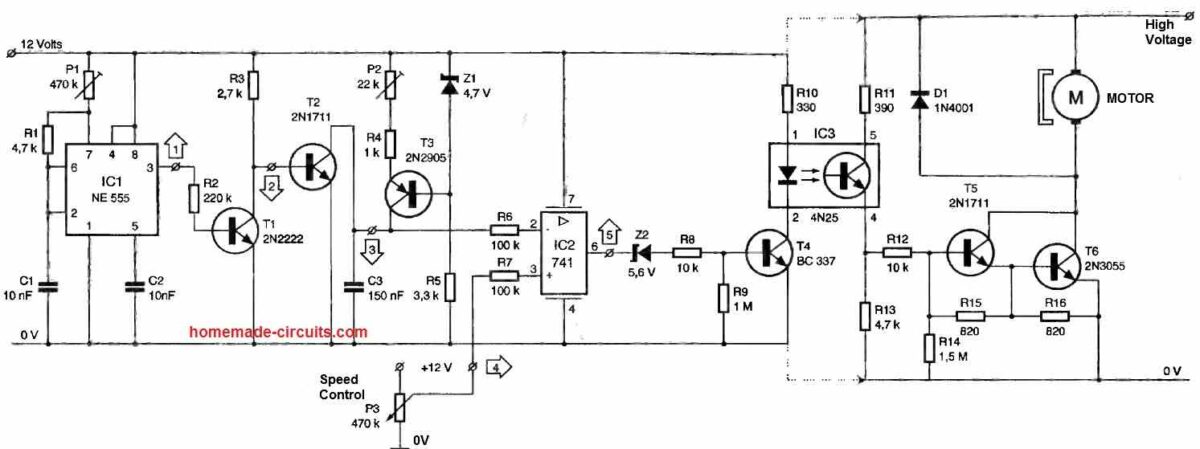
In the realm of motor control systems, high voltage DC motors play a crucial role in numerous industrial and automotive applications. Efficiently controlling the speed of these motors while ensuring operator safety and isolating sensitive components can be a challenging task. However, with the advent of advanced technologies, such as optocoupler motor controller power stages, […]
Mobile Signal Vibrator Circuit
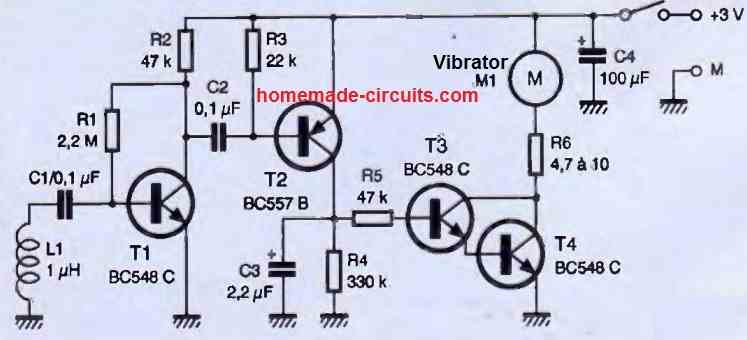
This mobile signal vibrator circuit will detect the wireless high frequency signals from your mobile phone and will activate the connected vibrator motor. This circuit can be used for many different customized applications. While the implementation of an external vibrator is not electronically complicated, it encounters a simple mechanical problem with the vibrator. How can […]
Temperature Controlled DC Fan Circuits
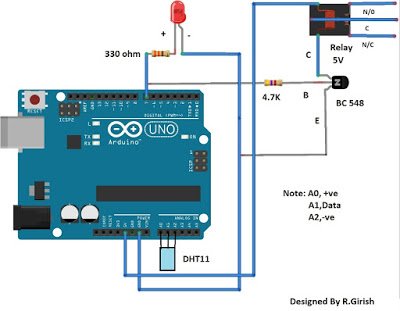
Have you ever turned up your amplifier all the way, either at a party or just for fun? You may have noticed that “it gets hot” and thought that a fan would be useful. However, at low listening levels, you can hear the fan running. With this circuit, the fan will be automatically controlled by […]