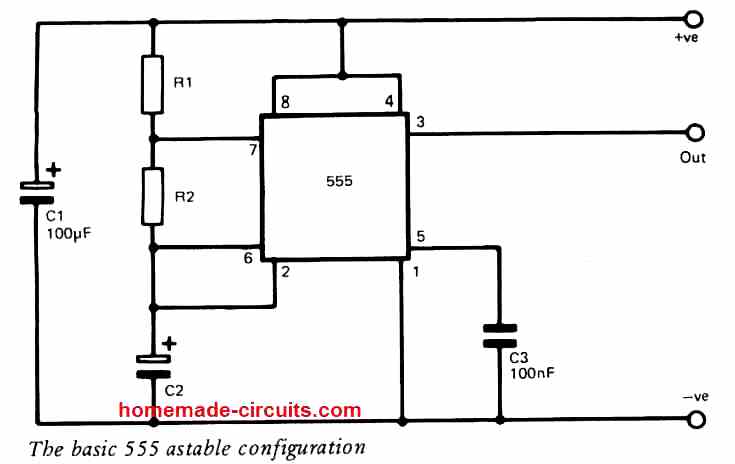
The IC 555 astable multivibrator is a configuration where the IC 555 output continuously switches between an ON state and an OFF state at a given frequency, determined by its RC timing components. Since in this configuration, the output of the IC 555 is never in a stable state, it is called an astable multivibrator. […]
Circuits
Exploring Current Mirror Circuits with Practical Designs
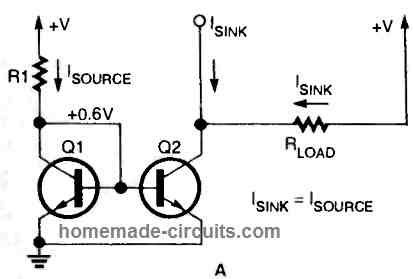
In this post I have explained some important current mirror circuits, and how to design practical circuits using current mirror concepts. Current Mirror Definition A current mirror is a circuit that copies a current through one active device by regulating the current in another active device in the circuit, maintaining a constant output current independent […]
How to Design High-Pass and Low-Pass Filter Circuits Quickly
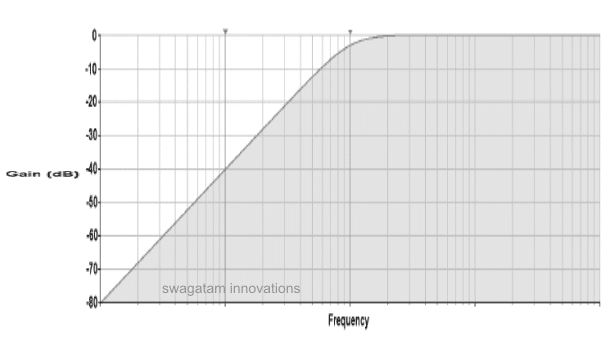
In this post I have explained how to design audio filter circuits such as high pass filter and low pass filter circuits effortlessly without going through the hassles of complex simulation and calculations. The presented designs will enable creating filter circuits only for the desired specific frequency bands and block all other unwanted frequencies. What’s […]
Boolean Algebra in Logic Circuits Made Easy
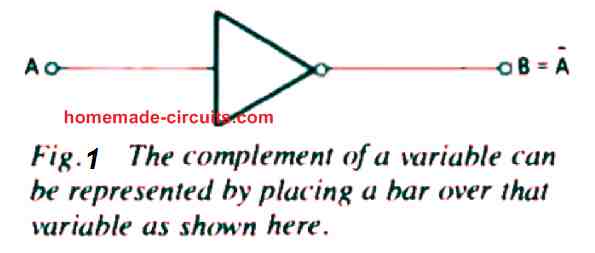
Boolean algebra is a assortment of basic mathematical techniques applied to signify and communicate the logical procedures that happen within a digital circuit. Difference Between Boolean Algebra and Common Algebra Boolean algebra is much like common algebra. The main distinction is that in contrast to common algebra, in which we have parameters that can be […]
Wheatstone Bridge Circuits Explained with Calculations
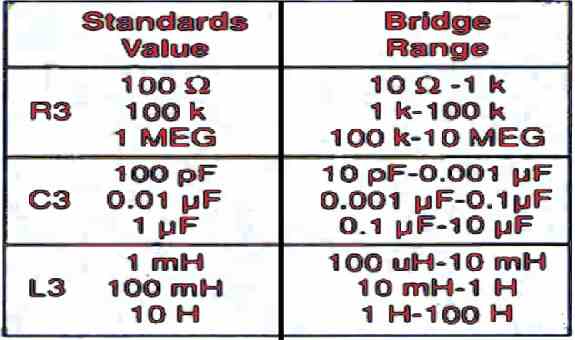
A Wheatstone Bridge circuit is commonly used to measure resistance, inductance, capacitance, and impedance. These are made up of four parts or arms that are joined in series in a diamond like bridge configuration. These four arms carry the individual components such as resistor, inductor or capacitor connected across the fur junctions. An alternating current (AC) or […]
Cube Light Circuits
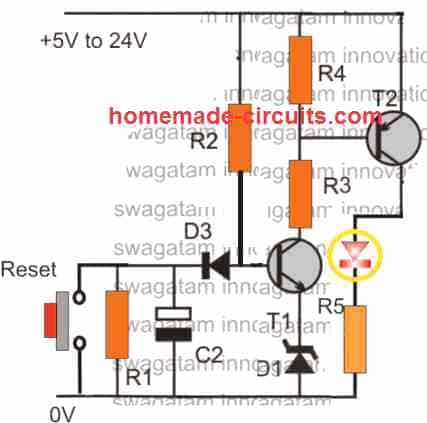
In this post I have explained how to make simple yet fascinating cube light circuits, in which LEDs are connected inside a plastic cube to produce interesting illuminating effects. All the designs presented below are very simple to build and do not involve any complex microcontroller or Arduino coding. Why a Cube Because cube lights […]