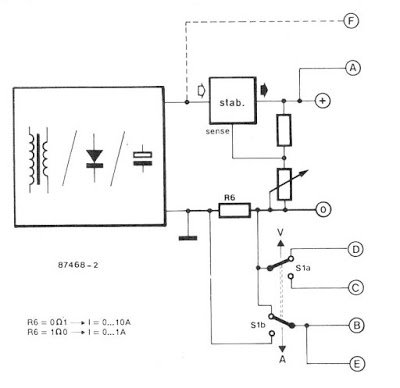
In this article I have explained how to build a digital voltmeter and a digital ammeter combined circuit module for measuring DC volts and current through different ranges, digitally. Introduction Electrical parameters like voltage and current are inherently associated with electronics and with electronic engineers. Any electronic circuit would be just incomplete without appropriate supply […]
Meters and Testers
Digital Power Meter for Reading Home Wattage Consumption
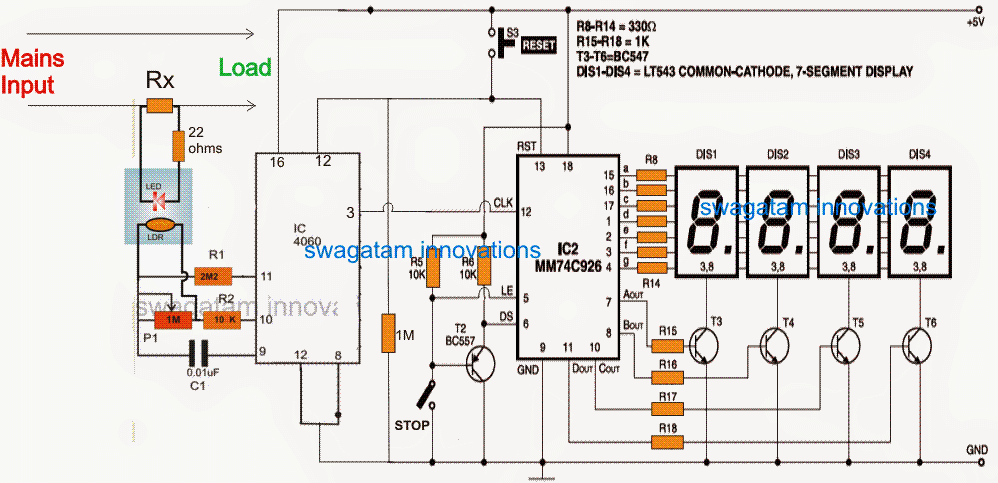
In this article I have explained a simple digital power meter circuit which can be installed in homes for getting an instant reading of the wattage being consumed by the attached appliances or the loads. The idea was requested by Mr. Nitin. Technical Specifications I m going through a problem. I want to know a […]
LED Brightness and Efficiency Tester Circuit
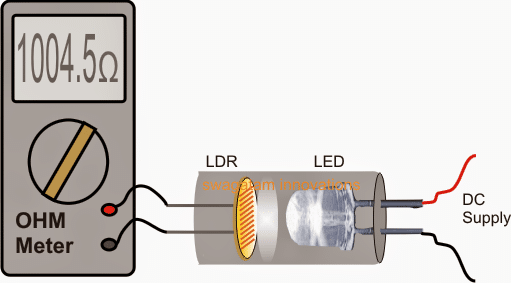
In this post I have explained a simple LDR brightness and efficiency tester circuit set up using an LDR and a digital Ohm meter. The idea was requested by Mr. Prashant Technical Specifications I want to check brightness and light of 1 watt led. Can i check it with help of ldr. Bekoz luminous sensor […]
Analogue Water Flow Sensor/Meter Circuit – Check Water Flow Rate
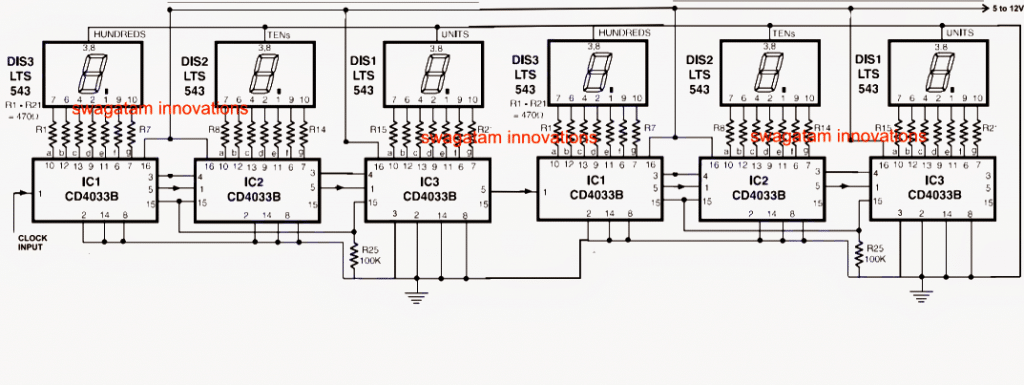
In this post I have explained a simple water flow meter/sensor circuit using hall effect sensor and a pulse counter circuit. Referring to the diagram shown below, we can see an arrangement consisting of a circular enclosure having a couple of pipes drilled in and a circular turbine shaped wheel installed inside the enclosure. How […]
Homemade Inductance Meter Circuit
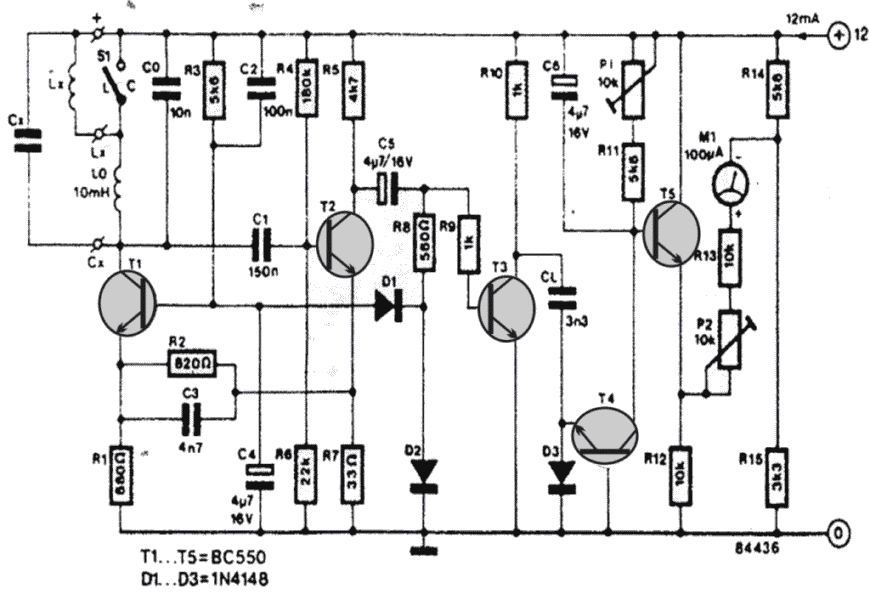
In this article I have explained a simple yet accurate, wide range inductance meter circuit. The design utilizes only transistors as the main active components and a handful of inexpensive passive components. The proposed Inductance meter circuit can measure inductance or coil values accurately over the given ranges and as a bonus the circuit is […]
Arduino based DC Voltmeter Circuit – Construction Details and Testing
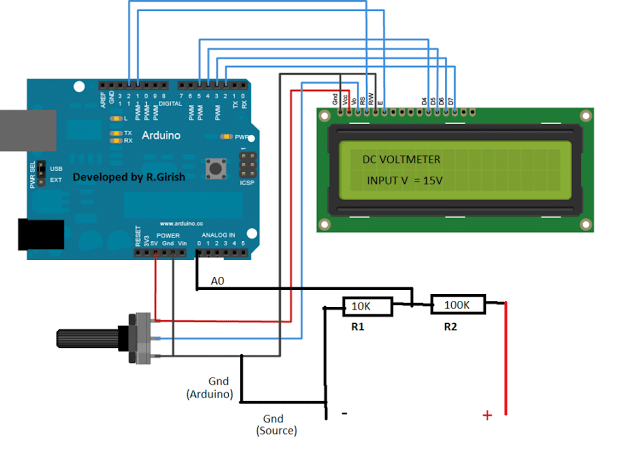
In this post, I will show how to construct a DC voltmeter using Arduino where the readings are displayed in 16×2 LCD. The proposed voltmeter design can read up to 30V with tolerance of +/- 0.5 volt. We are going to see how this setup functions and explore other possibilities we can accomplish […]