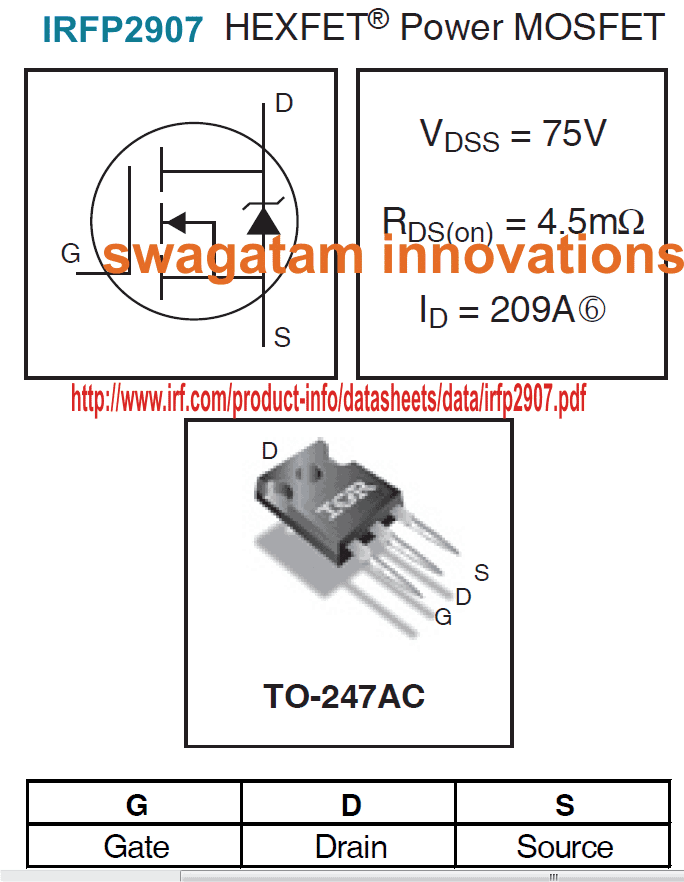
In this post I have explained the main features datasheet of high current N-Channel mosfet IRFP2907 which is rated to handle up to a staggering 209 amps of continuous current at a reasonably massive 75 volts. High Current Specs With the advent of mosfets, switching huge power through compact packages has become particularly feasible. Take […]
Newly Updated Circuit Projects:
100A AC Load Monitoring Circuit using Arduino, Watt Limit, LCD, Alarm, Auto Shutdown

In this project we are going to make one very useful grid power protection circuit. This will be like a power guard system which we can use in homes or apartments to monitor the wattage of the load and also to cut off the load automatically if it starts taking too much wattage, more than […]
Remote Control Circuit Using FM Radio
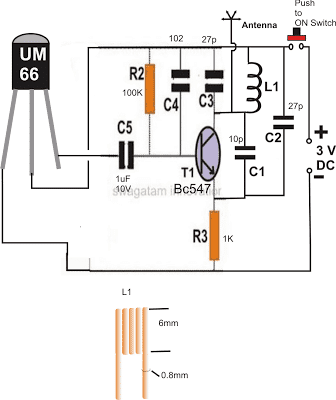
In this post I have explained how to build a simple FM remote control circuit for toggling small AC loads such as lamps, fans etc using an ordinary FM transmitter circuit and a modified FM radio circuit. This remote control system enables the user to get an ON/OFF control on any desired appliance, by simply […]
BQ24295 Smart Battery Charger IC with Boost + OTG
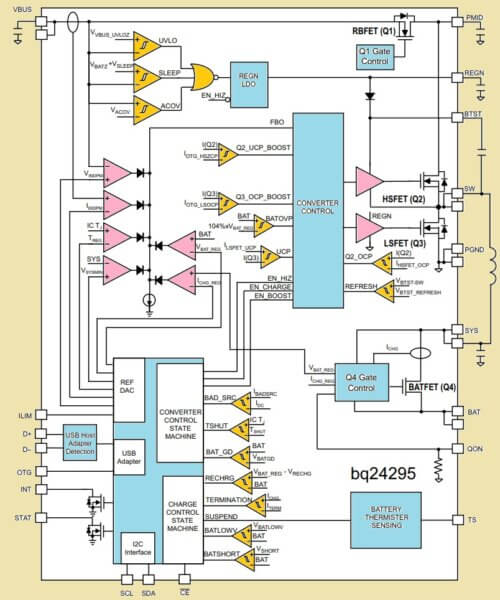
This BQ24295 IC is like a super smart charger chip. This one is not just for charging battery, but also doing many other jobs like boost converter, USB detection, power path control, and even OTG (host power supply). So we can say that this is a full battery charging and power management IC. Let us […]
Arduino SPWM Generator Circuit – Code Details and Diagram
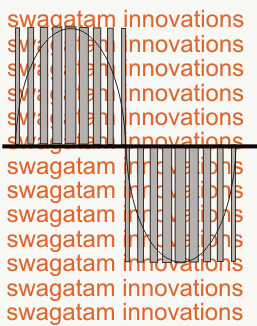
In this post I have explained how to generate sine wave pulse-width-modulation or SPWM through Arduino, which can be used for making a pure sine wave inverter circuit or similar gadgets. The Arduino code is developed by me, and it is my first Arduino code, …and it looks pretty good 🙂 What is SPWM I […]
H-Bridge Sine Wave Inverter Circuit using Arduino
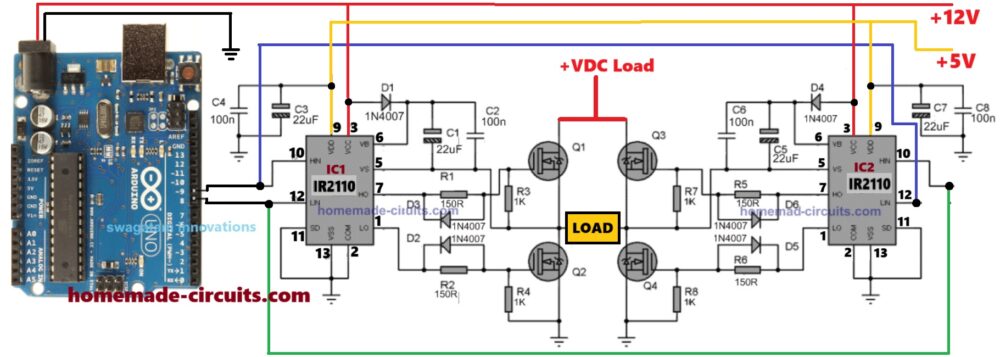
In this article I will explain how we can build an Arduino-controlled H-Bridge sine wave inverter circuit using some easy parts. So this thing will basically convert DC into AC but in a way that looks like a sine wave, right? We are using an Arduino to generate PWM signals and these signals will drive […]