
In this post I have explained an innovative wireless LED brake light circuit which can be attached to a biker’s helmet. The LEDs attached with the helmet circuit illuminates in response to the motorcycle braking generating an enhanced brake light effect from the user’s helmet. The idea was requested by Mr. Bugoy. Technical Specifications Good […]
Archives for 2014
Customizing Car Side Marker Lights to Flashing Side Markers

In this article I have explained a car side marker modification which enables it to respond to the existing turn signal pulses and flash in tandem with the turn signal flashing. The idea was requested by Mr. Jerry Klein. Technical Specifications I have a 1990 automobile which I believe does not have very sophisticated circuitry […]
How to Make a Car Power Window Controller Circuit
In this article I have explained a car power window controller circuit using a single push button or a couple of push buttons. The idea was requested by Mr. Win. Technical Specifications I’m winantiyo from Indonesia, i’ve read your post in your blog and i’m very like it.i have 2 project: 1. auto roll up power […]
Cellphone Controlled Car Starter Circuit
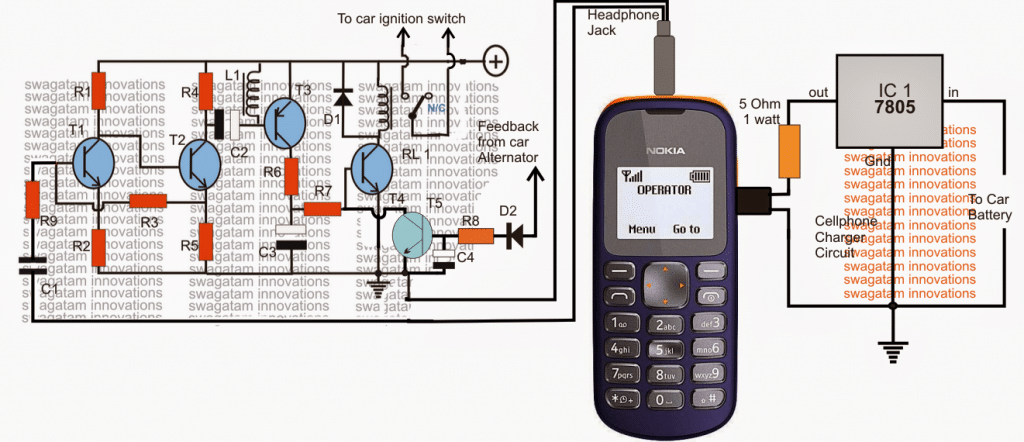
The post presents a simple cellphone triggered remote control circuit that can be applied as a cellphone operated remote car starter. The unit would cost less than $20 to build. I have already covered quite a few interesting cellphone remote control circuits in this blog, all of which can be implemented to control or toggle […]
Cellphone RF Triggered Car Amplifier Auto-Mute Circuit
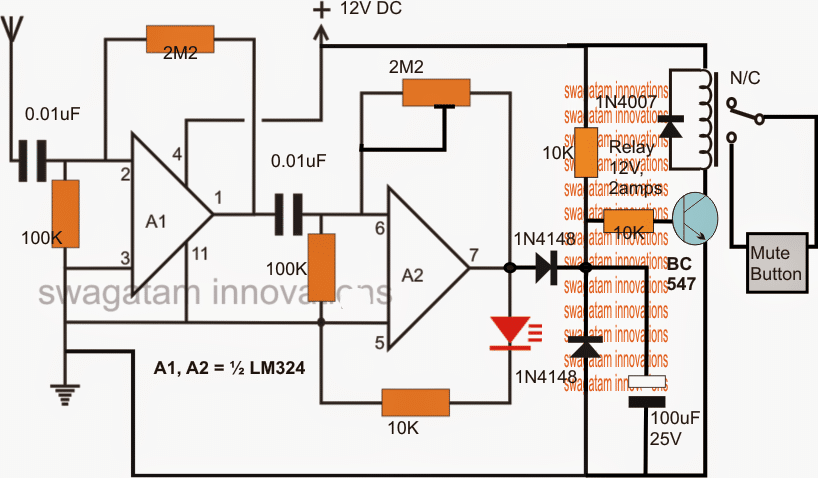
The following article presents a circuit design which would mute your car amplifier music the moment it detects a cellphone call inside the car, enabling an automatic muting during the situations, and saving the user from the manual hassles. A loud music could be a nuisance while a phone call is being attended or dialed. […]
Water/Coffee Dispenser Motor Circuit
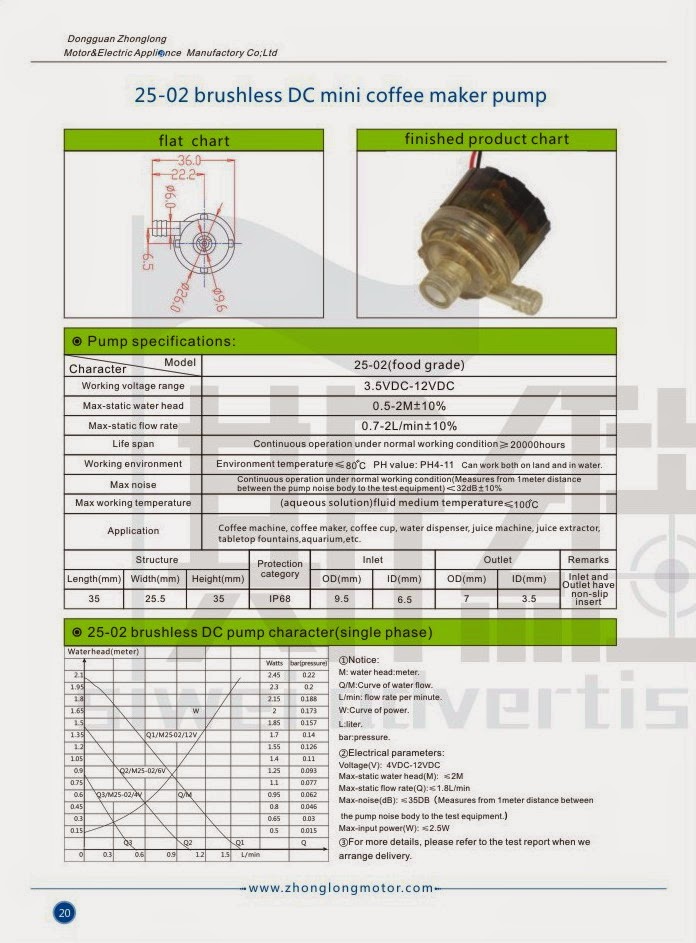
In this article I have explained a protection circuit which may be used for preventing a “dry run” situation in mini coffee dispenser motor pumps, by sensing the slight difference in its wet and dry current consumption levels. The idea was requested by Mr. Ken Adler. Technical Specifications I read with great interest your post titled, […]