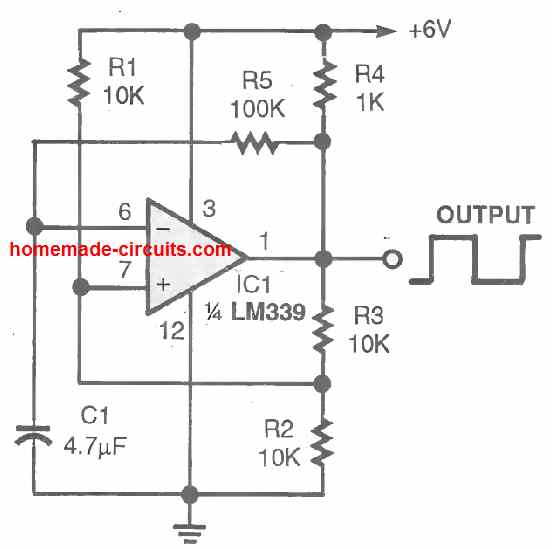
The IC LM 339 is primarily created to compare two input voltages and generate a corresponding output. Having said that, before we try to learn regarding the various LM339 based circuits, it would be important to go through the standard features of the LM339. It is basically a quad comparator IC, meaning we can find […]
Newly Updated Circuit Projects:
Sunrise Sunset Simulator LED Circuit
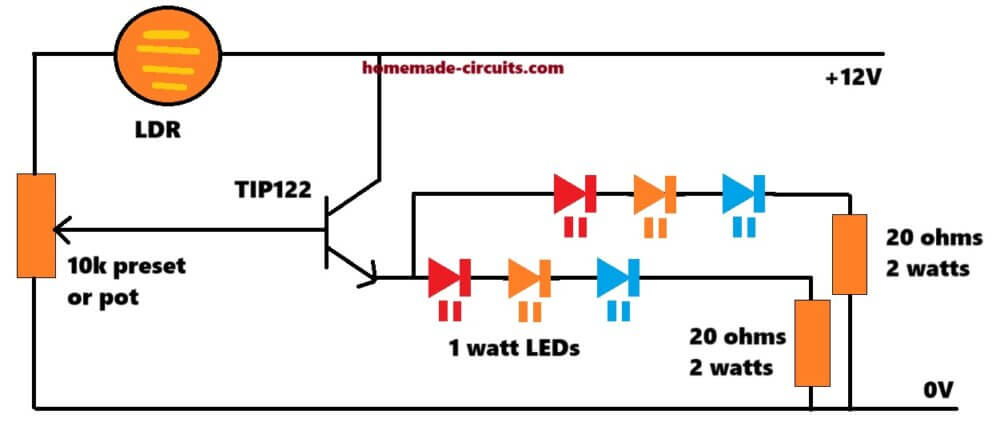
In this post I have explained how to make a sunrise/sunset simulator circuit using LEDs and just a couple of BJTs. The idea was requested by Mr. Jerry Circuit Objectives and Requirements The Design As proposed, a simple sunrise and sunset simulator circuit can be implemented using the circuit shown in the following diagram: The […]
Automatic Sliding Gate Controller Circuit
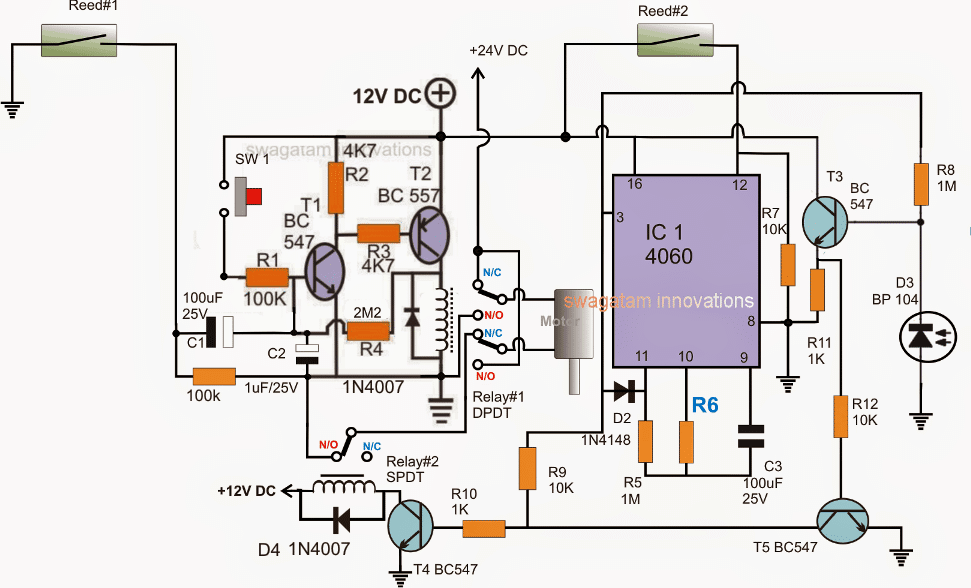
In this post we investigate a circuit, designed for implementing an automatic sliding gate or door action, and includes a set of features as specified in the request. The idea was suggested by Mr. Andreas. Technical Specifications Can you help me to design a simple sliding gate controller. How can work its like this…Press a […]
How to make a Transistor Latch Circuit
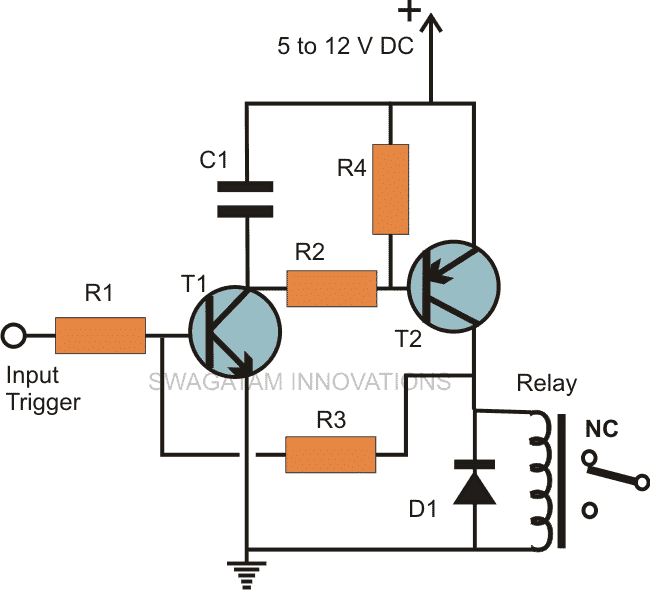
In this post I have explained how to make a simple transistor latch circuit using just two BJTs and a few resistors. Introduction A transistor latch is a circuit which latches ON with a permanent high output in response to a momentary input high signal, and continues to stay in this position as long as […]
2 Simple RF Detector Circuits Explored
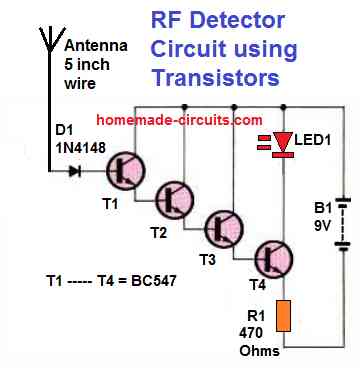
In this article I have explained a couple of very easy to build RF detector circuits, which can be used to sense or detect or sorts of Rf electrical noise that may be floating in the surrounding atmosphere. What is RF RF stands for radio frequency, which is a kind of electrical interference transmitted in […]
3 Best Joule Thief Circuits
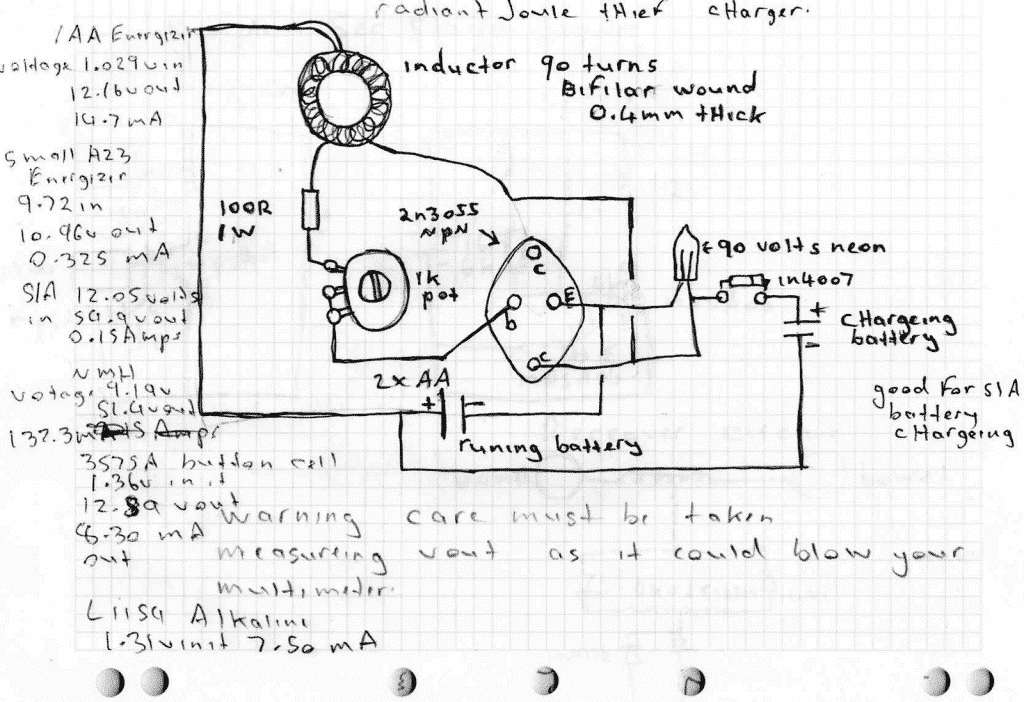
A joule thief circuit is basically an efficient, self-oscillating voltage booster circuit, built using a single transistor, resistor and an inductor, which can boost voltages as low as 0.4 V from any dead AAA 1.5 cell, to much higher levels. Technically it may seem impossible to illuminate a 3.3 V LED with a 1.5V source, […]