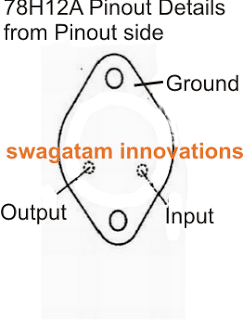
The post explains the technical specifications, datasheet, and application notes of the IC 78H12A which is a voltage regulator IC capable of providing a fixed regulated 12V output at maximum 5 amp current. 5 Amp Regulator Specifications We are familiar with the popular 78XX ICs such as the 7812 IC which can produce 12V fixed voltage at […]
Regulator
1.25V to 120V Mains Adjustable Voltage Regulator Circuit Diagram
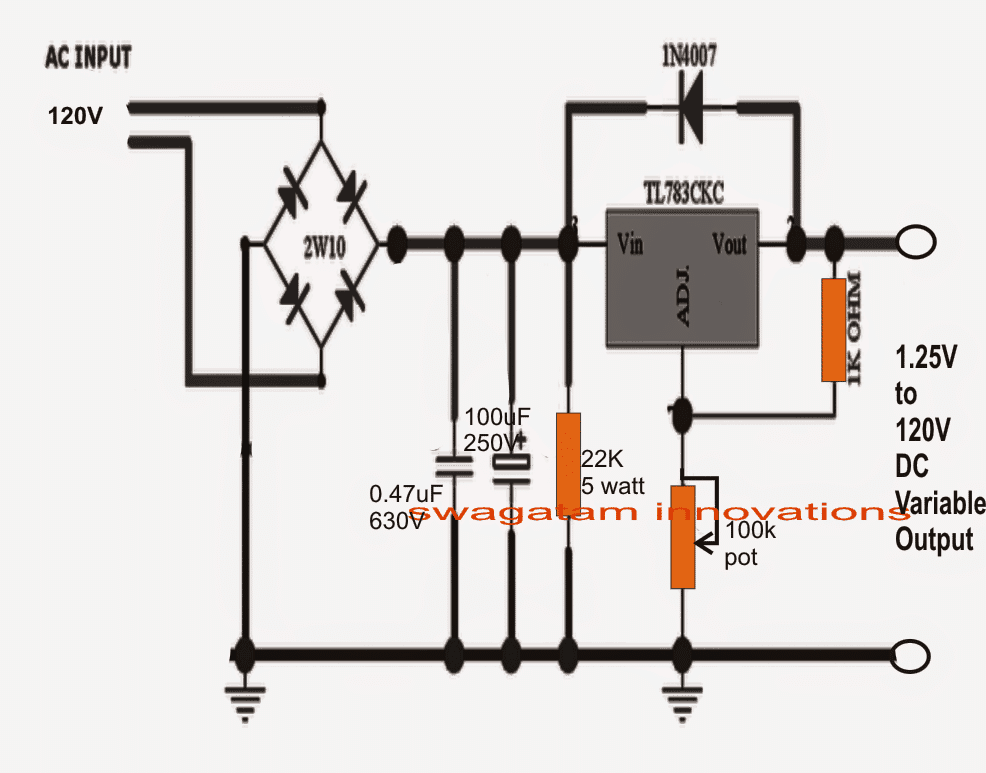
The TL783 is a variable three lead mains voltage regulator chip having an output range of 1.25 V to 125 V and a DMOS output transistor which is able to handle in excess of 700 mA current. High Voltage Specification It is specifically configured internally for working with high-voltage applications where ordinary bipolar voltage regulators […]
IC 723 Voltage Regulator – Working, Application Circuit
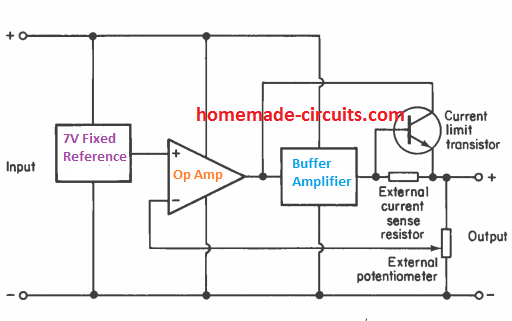
In this post I have explained the main electrical features, pinout specifications, datasheet, and application circuit of the IC 723. The IC 723 is a general purpose, extremely versatile voltage regulator IC, which can be used for making various types of regulated power supplies such as: Main Features ABSOLUTE MAXIMUM RATINGS Pinout Functions Pin 1 […]
How to Make a PWM Controlled Fan Regulator Circuit
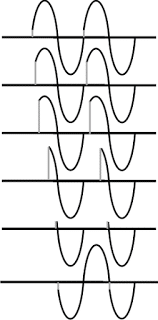
In this article we look into a simple 220V mains PWM controlled fan or light regulator circuit which does not require a microcontroller or costly triac drivers for the intended operations. Capacitive Phase Chopping All Ordinary types fan regulator and dimmers which rely on capacitive phase chopping technology have one drawback in common, these generate […]
Adjustable Voltage Regulator Circuit using LM324 IC with Over Current Protection
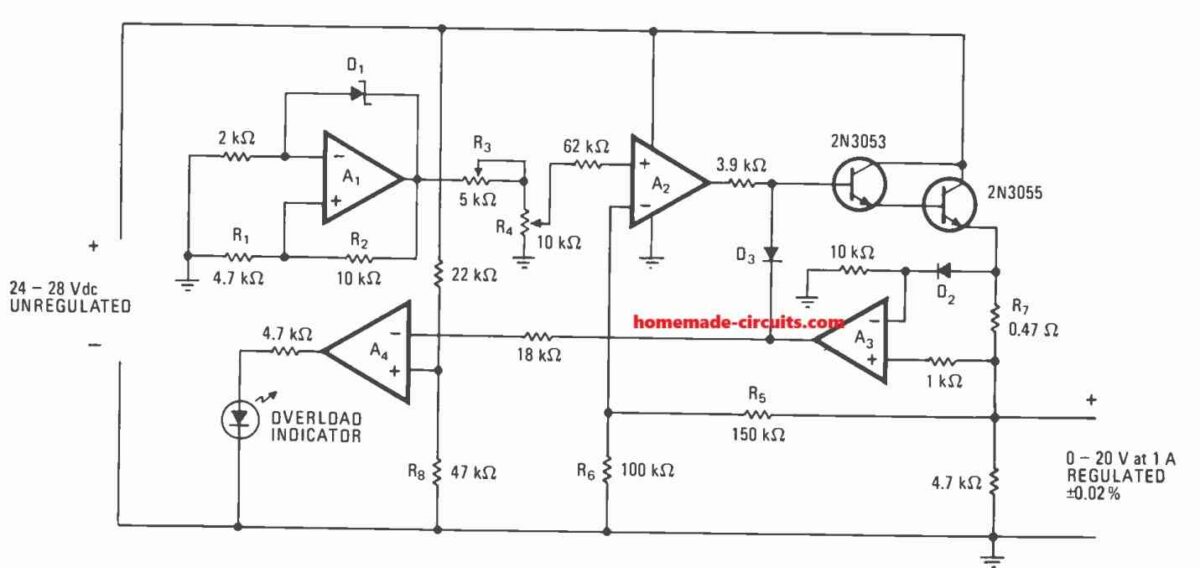
In this post I have explained how a single LM324 IC can be used to create an adjustable voltage regulator circuit with overload and over current protections. Basic Working A basic IC LM324 quad operational amplifier regulates an unregulated 28-volt input source to approximately ±0.02%, resulting in a 1 amp 0 to -20 V supply. The […]
Temperature Regulator Circuits using IC LM335
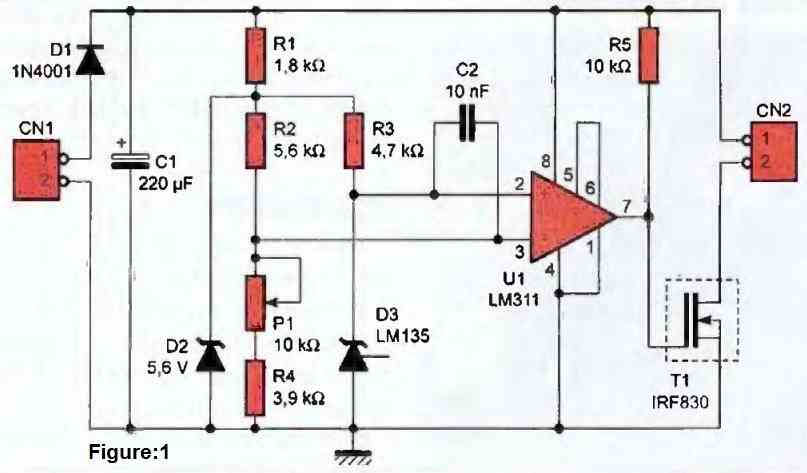
There are many cases where it is desirable to actively regulate the operating temperature of an electronic assembly. Sometimes, it is imperative to dissipate the heat generated by the components (this is the case for the majority of microprocessors in our modern PCs). On the contrary, it is necessary to artificially increase the operating temperature […]