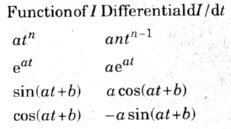
Inductors can be imagined as the opposite of capacitors. The main difference between a capacitor and an inductor is that a capacitor carries a protective dielectric between its plates, which inhibits the conduction of current across its terminals. Here it acts like an open circuit. On the other hand the inductance of an inductor is […]
Calculations
Transistor Relay Driver Circuit with Formula and Calculations
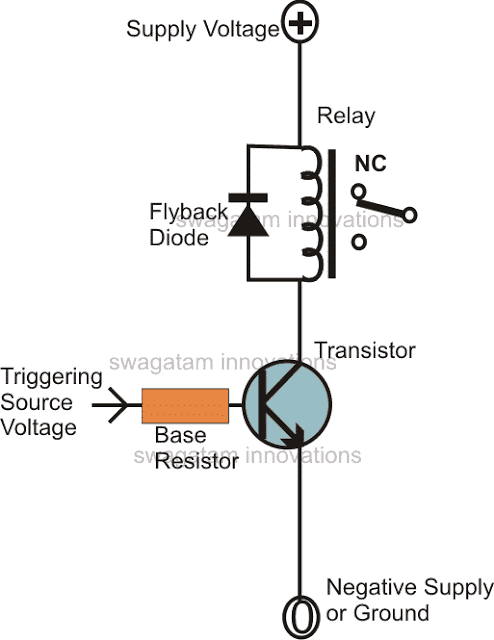
In this article we will comprehensively study a transistor relay driver circuit and learn how to design its configuration by calculating the parameters through formulas. Importance of Relay Relays are one of the most important components in electronic circuits. Especially in circuits where high power transfer or mains AC load switching is involved, relays play […]
Wheatstone Bridge Circuits Explained with Calculations
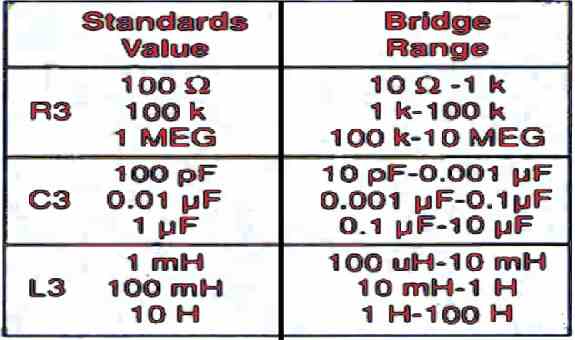
A Wheatstone Bridge circuit is commonly used to measure resistance, inductance, capacitance, and impedance. These are made up of four parts or arms that are joined in series in a diamond like bridge configuration. These four arms carry the individual components such as resistor, inductor or capacitor connected across the fur junctions. An alternating current (AC) or […]
Opamp Hysteresis – Calculations and Design Considerations
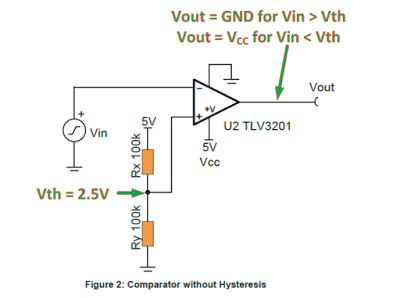
In most automatic battery charger circuits in this blog you might have seen an opamp with a hysteresis feature included for some crucial function. In the following post I have explained the significance and design techniques for the hysteresis function in opamp circuits. To learn exactly what’s a hysteresis you can refer to this article […]