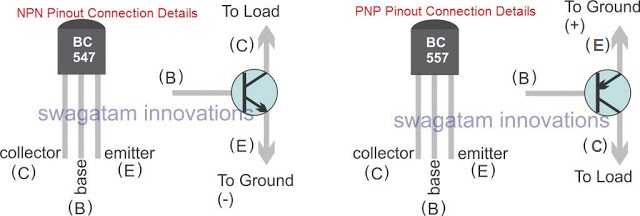
The interfacing of power devices like BJTs, and MOSFETs with Arduino output is a crucial configuration which allows switching high power loads through low power outputs of an Arduino. In this article we elaborately discuss the correct methods of using or connecting transistors like BJTs and mosfets with any microcontroller or an Arduino. Such stages […]
BJT
BJT Emitter-Follower – Working, Application Circuits
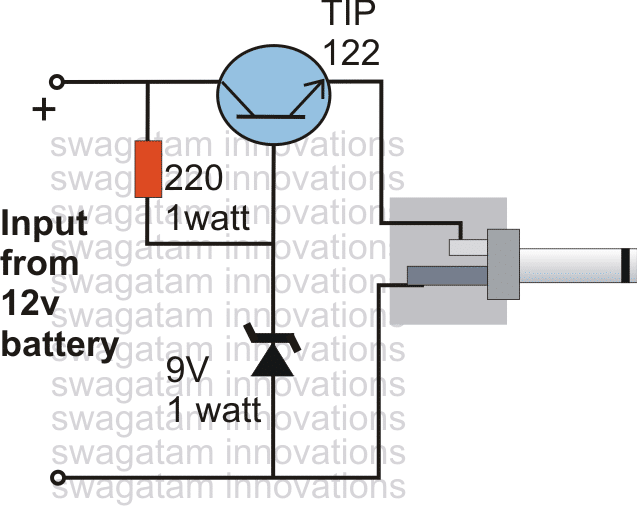
In this post I have explained how to use a transistor emitter follower configuration in practical electronic circuits, we study this through a few different example application circuits. An emitter follower is one of the standard transistor configurations which is also referred to as common collector transistor configuration. Let’s try to first understand what’s an […]
How to Measure Gain (β) of a BJT
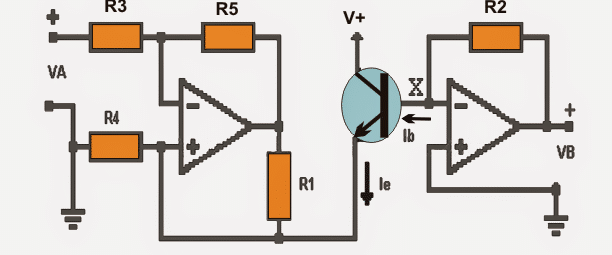
In this post we’ll study a simple opamp circuit design which can be applied for measuring the beta or the forward current gain of a particular BJT in question. What is beta (β) The beta (β) is the forward current gain that every BJT inherently possesses. It determines the efficiency of the particular device in terms […]
How to Replace a Transistor (BJT) with a MOSFET
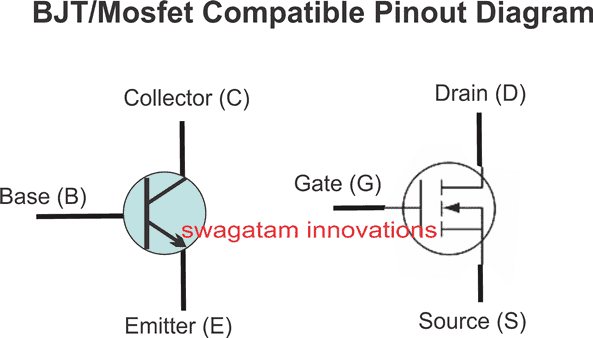
In this post I have explained the method of correctly replacing a BJT with a MOSFET, without affecting the final outcome of the circuit. Introduction Until MOSFETs arrived in the field of electronics, transistors or BJTs to be precise ruled the power switching circuits and applications. Though even Bipolar Junction Transistors (BJTs) can not be […]
BJT 2N2222, 2N2222A Datasheet and Application Notes
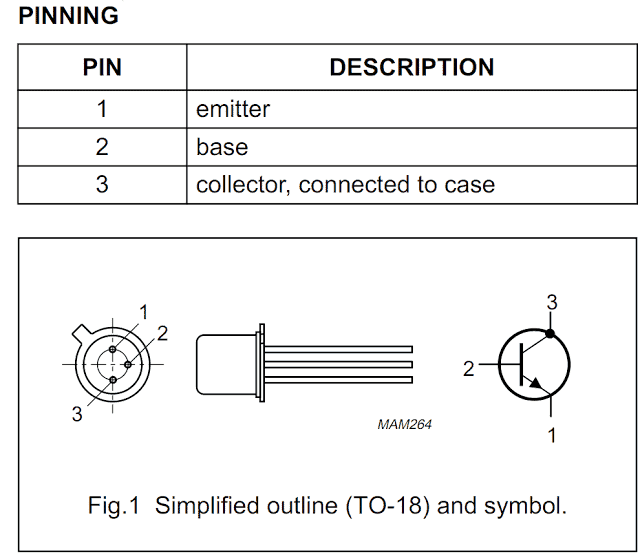
This article explains the main specifications, pinouts and application related information regarding the transistor NPN BJT 2N2222, 2N2222A, and also its complimentary PNP pair 2N2907 BJT Introduction In one of my earlier posts I have explained regarding a few low signal type of transistors like BC547, BC557 etc. Here we are going to study the […]